Standing water extraction
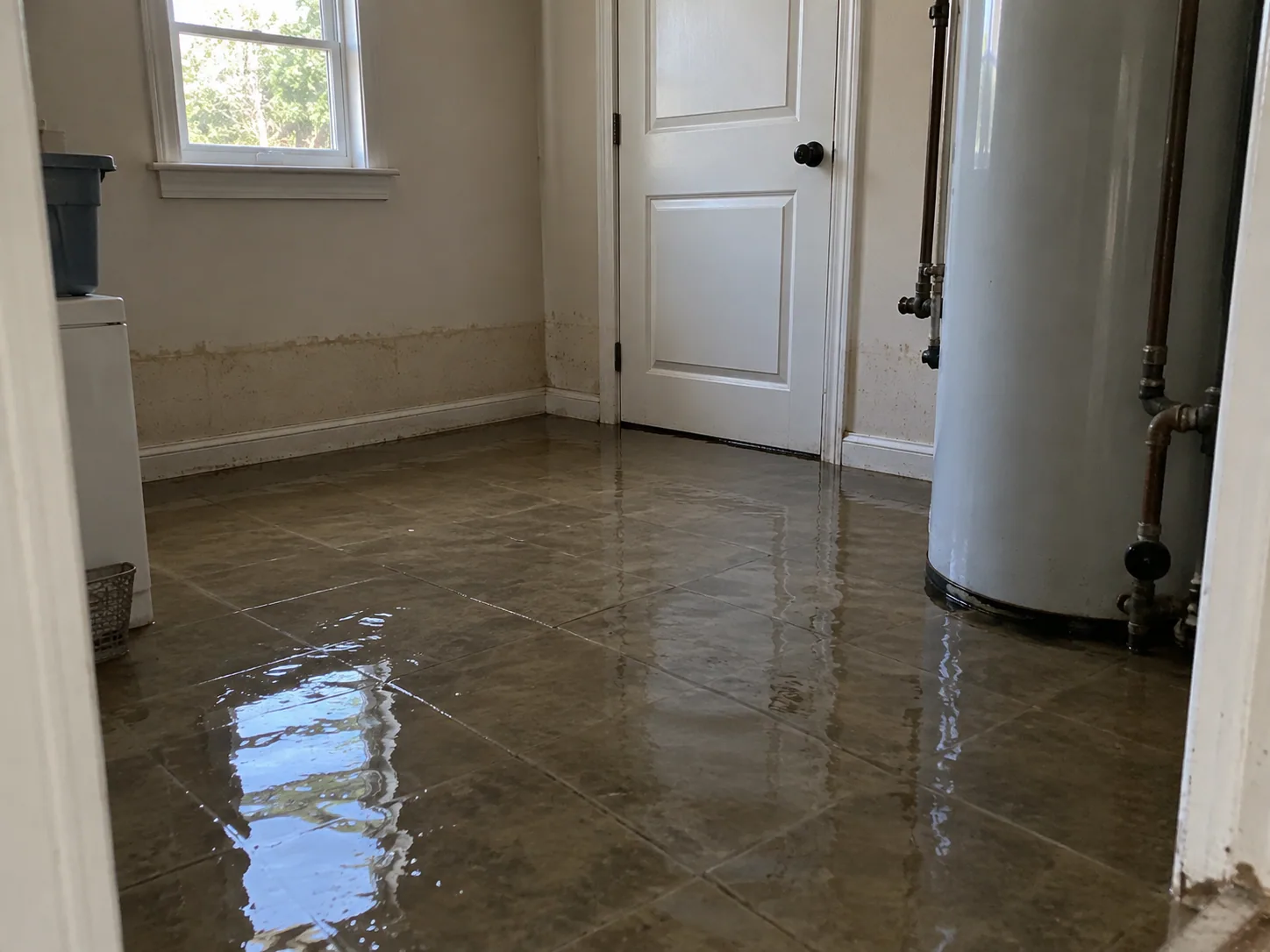
Pumping and extraction using commercial equipment to pull water from hard surfaces, carpet, and pad so drying can start immediately.
Serving Dallas, Texas & surrounding areas
24/7 Emergency Response
Water removal · Dallas, Texas
When water gets into floors, walls, or cabinets, time matters. Our technicians remove standing water, set up professional drying, and document moisture so you can make decisions before damage spreads.
Extraction backed by moisture verification
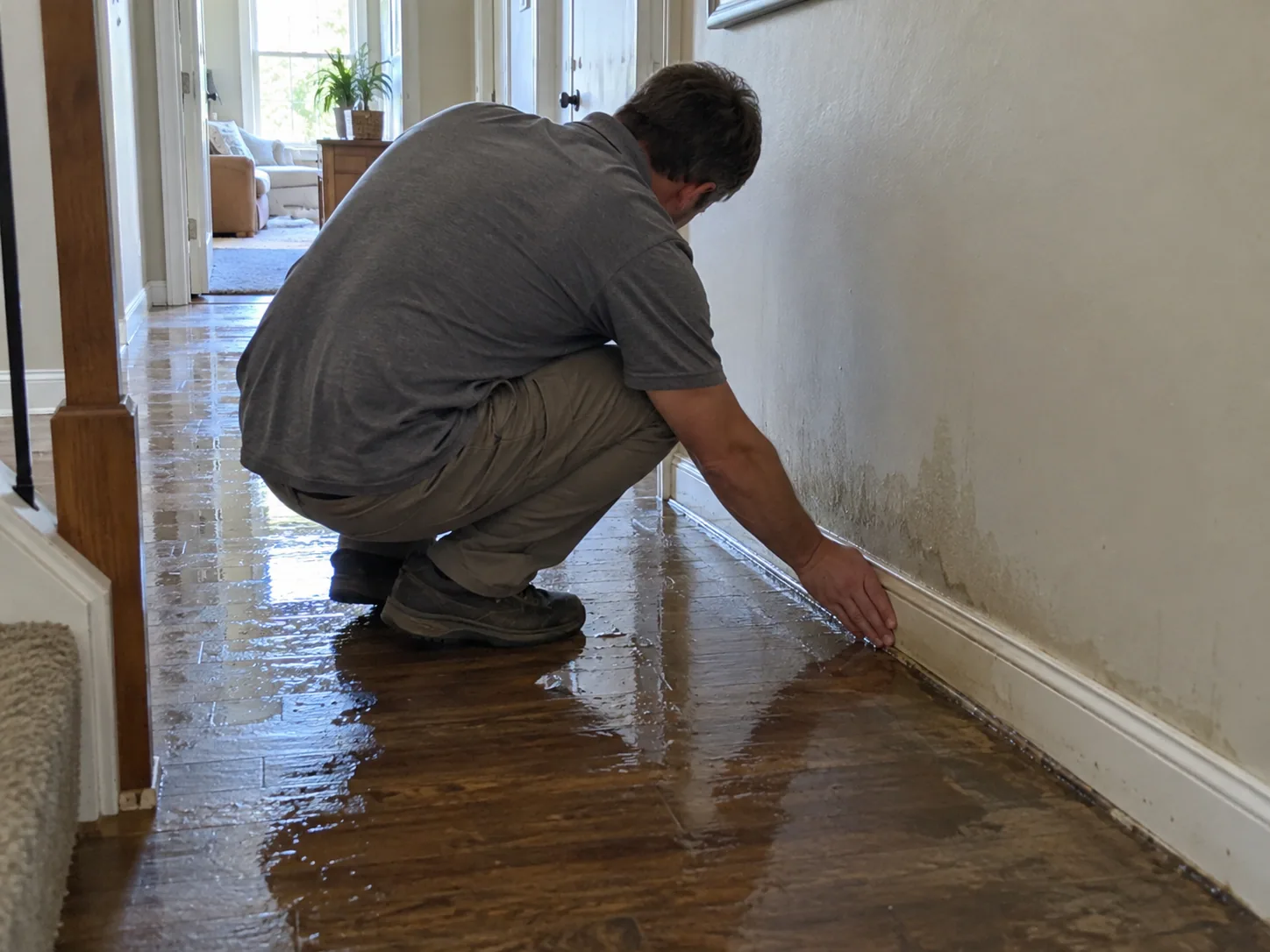
If you searched for water removal Dallas, you're likely dealing with more than a wet floor. Water travels under baseboards, into pad and subfloor, and up drywall by capillary action. The visible puddle is only part of the problem.
Water Damage Dallas focuses on getting water out quickly and then proving it's actually dry. That means extraction, targeted demolition only when needed, controlled drying, and moisture verification—not guesswork. We work with homeowners, property managers, and business owners across Dallas, including high-rise and mixed-use buildings downtown near ZIP 75201 where quick access and elevator logistics can affect setup time.
Dallas storms can dump heavy rain fast, and when that water finds a low point in a slab-on-grade home or a vulnerable doorway threshold, the first hours decide whether you're looking at a clean dry-out or a longer rebuild. If you're also dealing with a broader loss, water damage restoration typically includes removal, drying, cleaning, and rebuild coordination, but this service focuses on the removal and dry-down steps that help prevent further damage.
This is one part of our wider water damage restoration in Dallas service, covering homes and commercial property across the Dallas and North Texas area.
Removal through dry-down
Pumping and extraction using commercial equipment to pull water from hard surfaces, carpet, and pad so drying can start immediately.
We check floors, drywall, and framing with moisture meters and thermal imaging to define the wet area and track progress.
Air movers and dehumidifiers are placed to create airflow across wet materials and lower humidity so moisture can leave the structure.
If drywall, insulation, or pad can't dry in place, we remove only what's necessary to access and dry the cavity.
If water is contaminated or materials were wet long enough to raise concern, we use appropriate antimicrobial products as part of the drying plan.
You get a written scope of what's wet, what's being dried, what needs removal, and what the estimated timeline looks like.
Drying plans built around the property
A good water removal plan depends on the building, not just the source.
Uptown and Downtown Dallas: In condos, water can migrate through shared walls and chase down penetrations around plumbing chases. We focus on moisture mapping to confirm what's affected inside your unit and what may need coordinated access.
Lakewood and East Dallas: Many homes have older flooring assemblies and layered renovations. Wet hardwood, underlayment, and baseboards can trap moisture. We prioritize rapid extraction and controlled drying to reduce the chance of cupping or long-term odor.
Oak Cliff: You'll see a mix of pier-and-beam and slab foundations. Crawlspaces and subfloors can hold humidity after a leak. We set drying to move air where moisture actually sits, not just where the fan fits.
North Dallas: In office corridors near major retail centers, after-hours access and tenant traffic matter. We can stage equipment to keep pathways safer while still meeting drying targets.
Across all of Dallas, the goal is the same: remove liquid water first, then dry to an actual moisture target so materials are stable for repairs and re-occupancy.
Safety through final verification
We help you identify immediate safety issues like wet electrical areas and confirm the water source is stopped or isolated before equipment is placed.
We document affected rooms and materials using moisture meters and thermal imaging so the drying plan matches the real wet footprint.
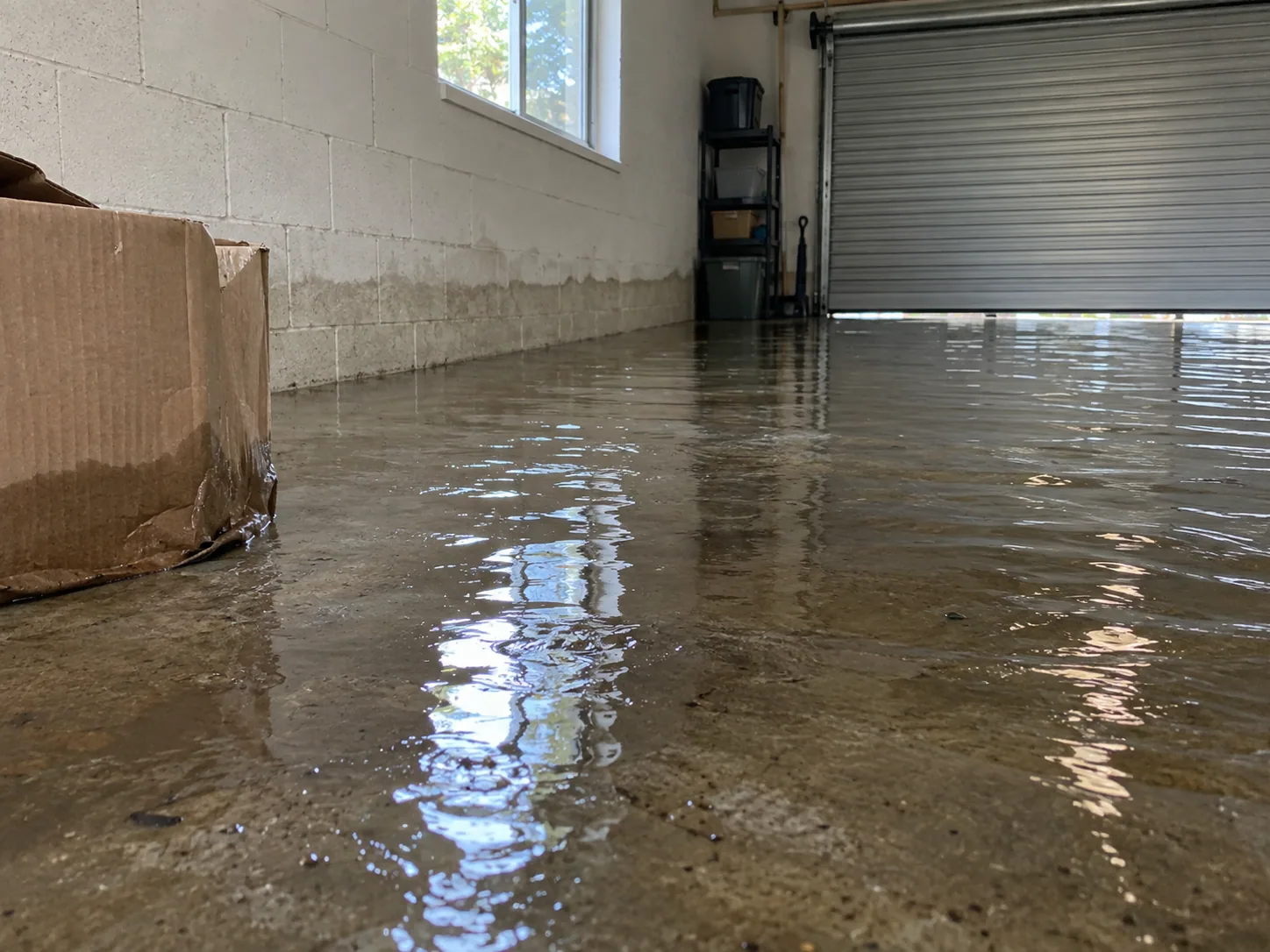
We remove standing water, then set air movement and dehumidification to start drying structural materials, flooring systems, and contents where feasible.
If drywall, insulation, pad, or baseboards are holding moisture, we remove specific sections to access cavities and prevent trapped dampness.
Drying is not “set it and forget it.” We re-check moisture, adjust equipment placement, and track progress until materials reach dry standards.
We confirm drying results and outline what comes next, whether that's minor repairs, replacement of removed materials, or coordination with a larger restoration scope.
Planning the removal and dry-down
Water removal in Dallas typically ranges from $450 to $2,500+ for many residential situations, depending on how much standing water is present and how many rooms and materials are affected. A small, contained spill with minimal equipment can fall on the lower end, while multi-room extraction with several days of dehumidification and monitoring costs more.
Final pricing mainly changes with the size of the wet area, water category—clean versus contaminated—how long materials stayed wet, flooring type, access, and whether limited demolition is needed to open cavities. The exact cost is confirmed after an on-site inspection and moisture mapping.
Extraction, monitoring, and field setup
Answers before drying begins
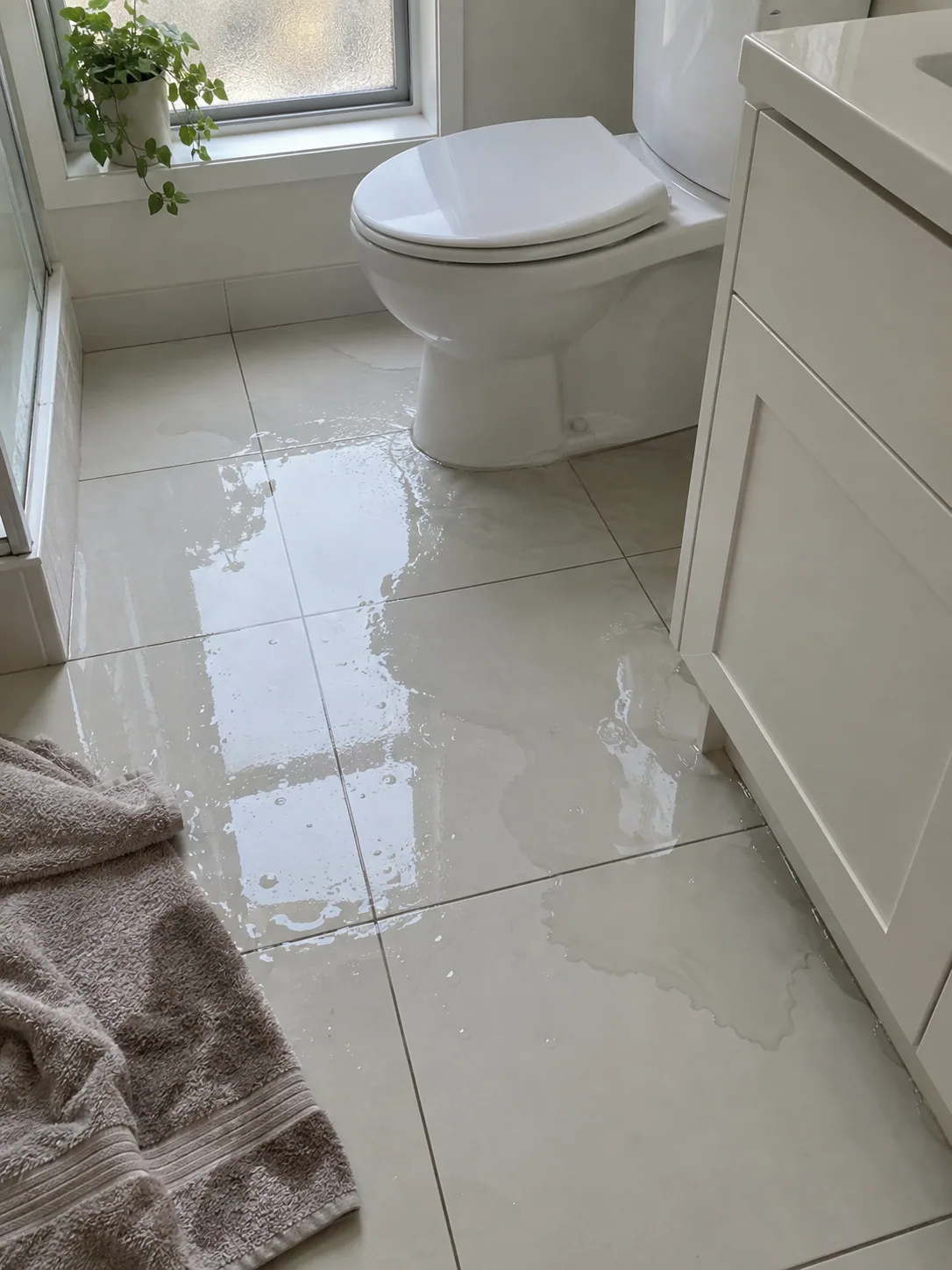
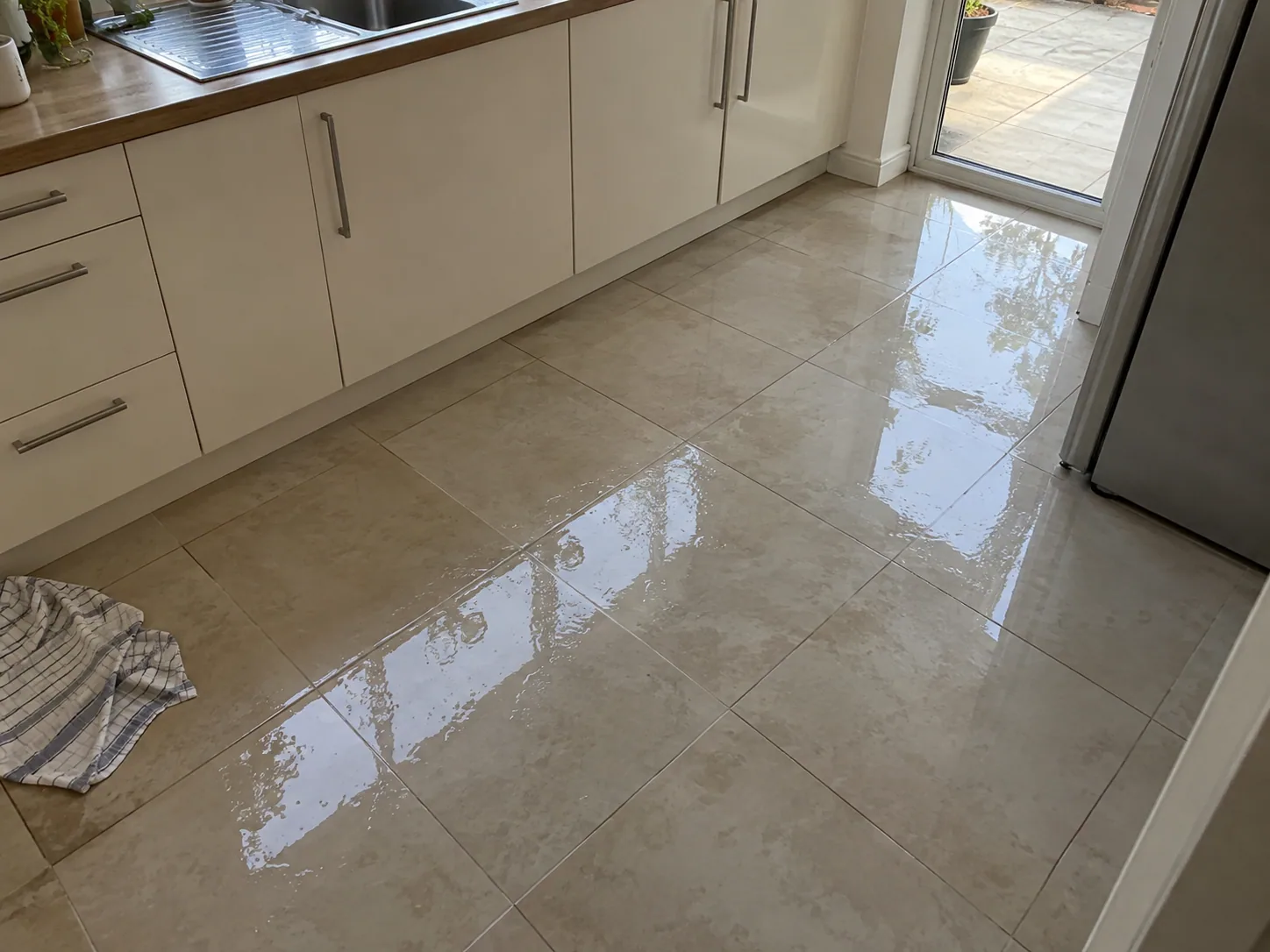
Water removal should start as soon as you can safely do it because moisture moves into drywall, baseboards, and subfloors quickly. In Dallas, sudden storm water and HVAC drain backups can soak building materials before you notice, so early extraction and dehumidification help limit swelling, staining, and odor.
Household fans help surface evaporation, but they usually can't remove enough moisture from the air to dry building materials reliably. Professional water removal uses measured airflow plus dehumidification so humidity drops and wet materials can release moisture instead of staying damp.
Sometimes, yes, but only when materials can't dry in place or moisture is trapped in a cavity. For example, wet insulation behind drywall often needs access, and carpet pad may require removal even if the carpet can be saved. We base that decision on moisture readings, not appearance.
Many dry-outs take about 3 to 5 days, but timelines vary with how wet the materials are, airflow access, and indoor humidity. Dense materials, layered floors, and water that reached wall cavities can extend drying, which is why monitoring and equipment adjustments matter.
In some cases, yes, if water removal and drying start quickly and the flooring system is dried evenly to reduce warping. Hardwood can still cup or crown depending on exposure time and the subfloor beneath it, so we assess moisture from the surface and the assembly below before setting expectations.
Yes, we can provide documentation that insurers typically request, such as moisture readings, equipment logs, and a written scope of work. Coverage depends on your policy and the cause of loss, so we focus on clear documentation of what was affected and what was done to dry it.
If it's safe, stop the water source, shut off power to wet areas, and move small valuables to a dry space. Avoid running your HVAC if it is pulling humid air through wet areas, and don't pull up flooring or cut drywall unless you're confident it won't expose electrical hazards or spread contamination.
Start with moisture mapping
Tell us what happened and what areas are wet. We'll schedule an inspection, map the moisture, and lay out a clear drying plan so you can protect the property and move forward with repairs.