Containment and negative air
We isolate the work area with critical barriers and run negative air pressure with HEPA filtration to keep spores from spreading into halls, closets, and adjacent rooms.
Serving Dallas, Texas & surrounding areas
24/7 Emergency Response
Black mold removal · Dallas, Texas
If you smell a musty odor, see dark growth, or had a recent leak, get a certified assessment and a containment-first cleanup plan that protects your air and your building materials.
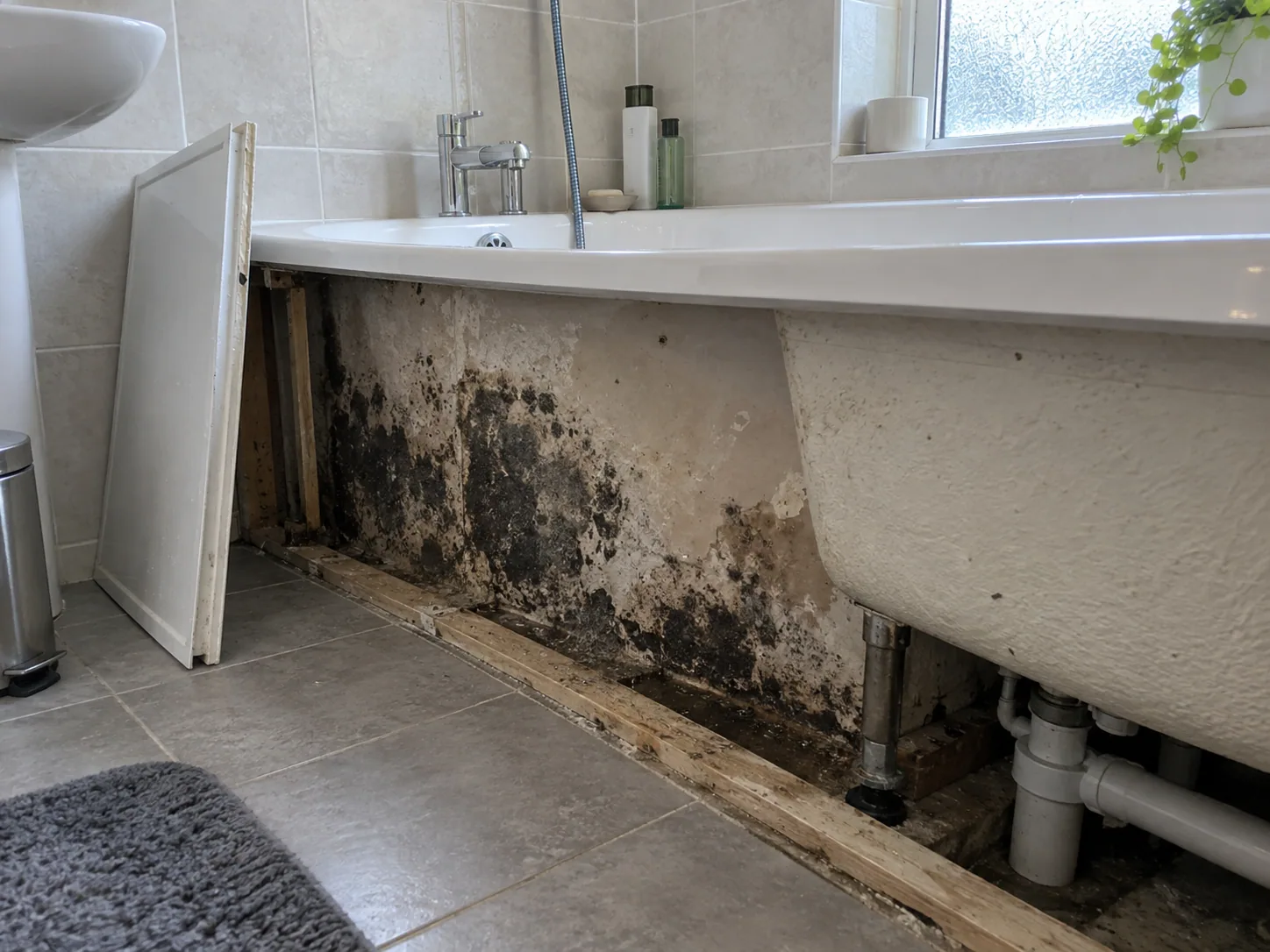
Moisture-driven growth
Dallas black mold removal usually starts after moisture gets into the wrong place: a slow plumbing drip under a sink, an HVAC condensate issue, a roof leak, or water that soaked drywall and never fully dried. In North Texas heat, that moisture can feed growth fast, and the first signs are often subtle: a persistent odor, irritation when you are in one room, or discoloration at baseboards and around supply vents.
Water Damage Dallas handles black mold removal for residential and commercial properties in Dallas, TX, including the 75201 area. Our focus is to remove contamination safely, control cross-contamination, and document what was found and what was done, so you can make clear decisions about repairs and prevention.
This is one part of our wider water damage restoration in Dallas service, covering homes and commercial property across the Dallas and North Texas area.
Controlled remediation scope
We isolate the work area with critical barriers and run negative air pressure with HEPA filtration to keep spores from spreading into halls, closets, and adjacent rooms.
Cleanup fails if the moisture problem stays. We look for active leaks, condensation, and wet materials so the root cause is addressed before the space is closed back in.
We remove settled spores from surfaces using HEPA vacuuming and appropriate cleaning methods so the area is not left with a fine dust that can re-contaminate.
Porous materials like drywall, insulation, carpet pad, and some ceiling tiles often need removal when growth is present or when they stayed wet long enough.
Air movers and dehumidification are used when needed to bring materials back to a dry, stable condition before rebuilding or repainting.
We provide a written scope and photo documentation so property owners, managers, and adjusters can see the affected areas, the containment, and the remediation steps.
Signs that need attention
If you suspect black mold, treat it as an air-quality issue first and a cosmetic issue second. Do not scrub visible growth with a household fan running, and avoid running the HVAC if you think contamination is in a return path or around a supply vent.
Situations that should prompt an on-site inspection for black mold removal Dallas residents can trust:
In Dallas high-rise and multi-unit settings, growth can also be tied to shared walls, stacked plumbing, or condensation near mechanical closets. We can help you identify what is in your unit versus what needs building-level attention so the fix lasts.
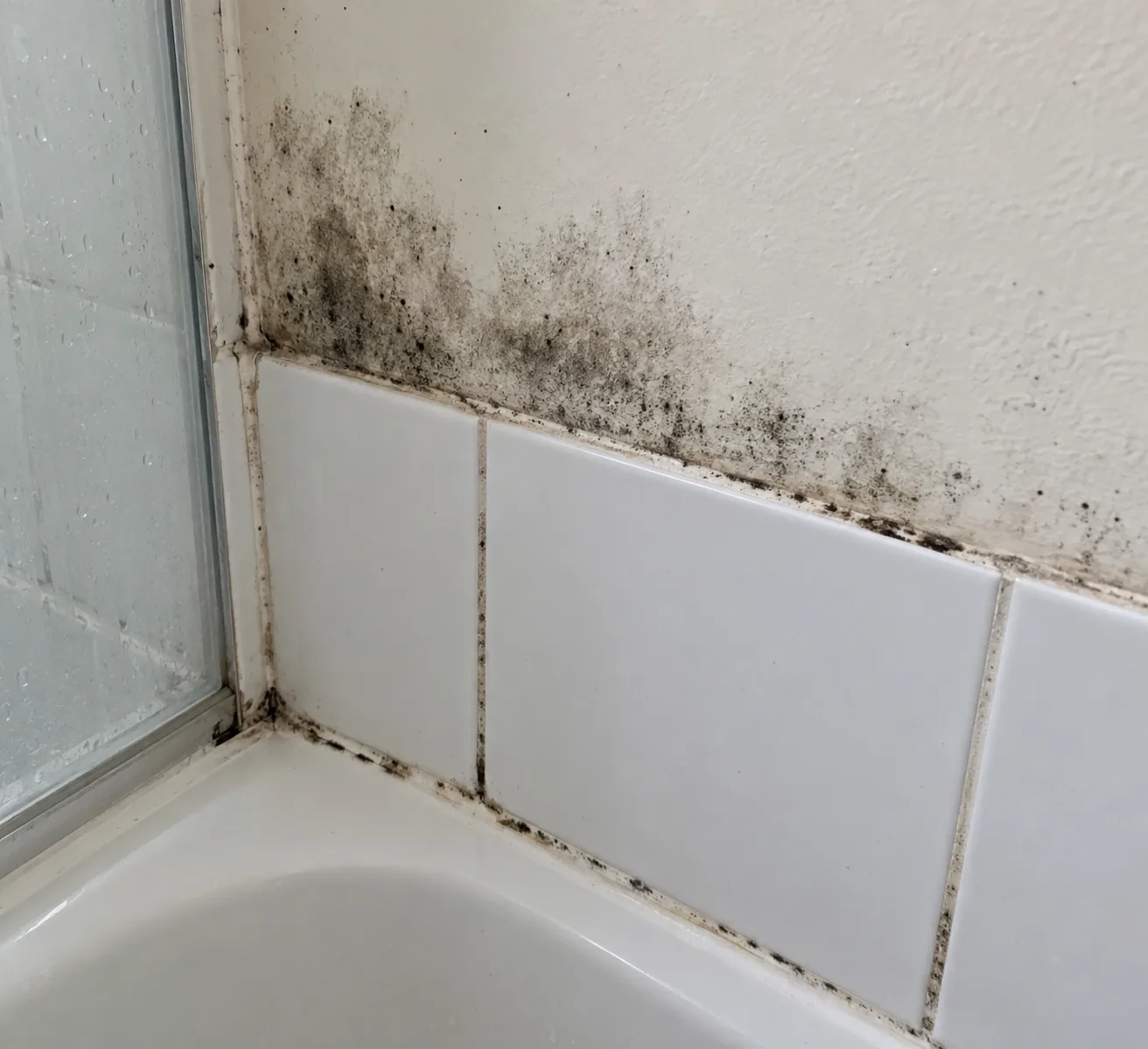
Inspection through verification
We inspect the affected areas, check for moisture conditions that keep mold active, and outline what needs cleaning versus removal. If the situation calls for it, we can coordinate third-party testing so results stay independent.
We protect adjacent rooms with poly sheeting, create a controlled entry, and establish negative air when appropriate. The goal is to keep spores and dust inside the work zone.
When porous materials are contaminated or deteriorated, we remove them carefully and bag debris for proper disposal. Structural elements are assessed for salvageability.
We HEPA vacuum, wipe and clean surfaces, and address remaining staining or residue as the material type allows. The approach changes for wood framing, masonry, and finished surfaces.
We dry materials and manage humidity so the space does not rebound into damp conditions. Final steps may include moisture readings and a walk-through to confirm the scope is complete.
Planning your cleanup scope
Black mold removal in Dallas typically ranges from about $750 to $6,000+, depending on how much material is affected and whether demolition and drying are required. A small, contained spot with limited drywall removal may stay toward the low end, while a multi-room or HVAC-adjacent issue with heavy containment and rebuild prep costs more.
Price is driven by the square footage and material type—drywall, insulation, or framing—how hard the area is to access, how much moisture damage exists, and whether the source problem needs immediate correction. The exact cost is confirmed after an on-site inspection and a written scope.
Control contamination and moisture
Most failed cleanups come down to two issues: cross-contamination and moisture.
If you wipe visible growth without containment, spores and dust can spread to nearby rooms through foot traffic, open doors, or the HVAC system. If you paint over staining without correcting damp drywall or wet insulation, the odor often returns and the surface breaks down again.
Professional black mold removal Dallas property owners hire is built around control. That means isolating the area, removing what cannot be cleaned, cleaning what can, and getting the building back to dry conditions. If you are dealing with a leak or flood at the same time, starting with water damage restoration can be the fastest way to stabilize the structure so mold does not keep developing while you wait.
Answers before work begins
Often yes for small, well-contained projects, but you should avoid the work zone and any adjacent areas where dust could travel. If contamination is widespread, involves multiple bedrooms, or is tied to HVAC pathways, it may be safer to relocate during the most active demolition and cleaning.
You can remediate based on visible growth and moisture conditions without waiting on lab results, because the removal steps are driven by contamination and building materials. If you need documentation for a landlord, buyer, or insurer, third-party sampling can be arranged so results are independent.
Many single-room projects take 1 to 2 days for containment, removal, and cleaning, plus additional time if drying is needed. Larger or multi-room remediation can take several days, especially when wet materials, insulation, or framing need controlled drying before the space is closed back in.
Drywall usually needs removal when growth has penetrated the paper facing or when the wall cavity was wet, because porous materials do not reliably clean back to a safe condition. In some cases limited surface staining on painted drywall can be addressed, but we make that call based on moisture readings and the extent of contamination.
Yes, we provide a written scope and photo documentation that shows affected areas, containment setup, and the remediation steps taken. Coverage decisions are made by your policy and adjuster, but clear documentation helps support accurate reviewing and repair planning.
Recurrence almost always means moisture remained or returned. Common causes include an unrepaired leak, condensation problems around HVAC components, poor bathroom ventilation, or rebuilding before materials were fully dry. A remediation plan that includes moisture control is what keeps the result stable.
Start with an inspection
Tell us what you are seeing and where it is happening. We will schedule an inspection, explain what needs containment and removal, and provide a written scope with documentation so you can move forward with confidence.