A sampling plan that matches the problem
We do not take random samples. We choose locations based on moisture clues, airflow patterns, and where occupants actually spend time.
Serving Dallas, Texas & surrounding areas
24/7 Emergency Response
Mold testing · Dallas, Texas
Get clear answers fast with certified sampling, accredited lab analysis, and a report you can actually use to decide what happens next.
Know when to test
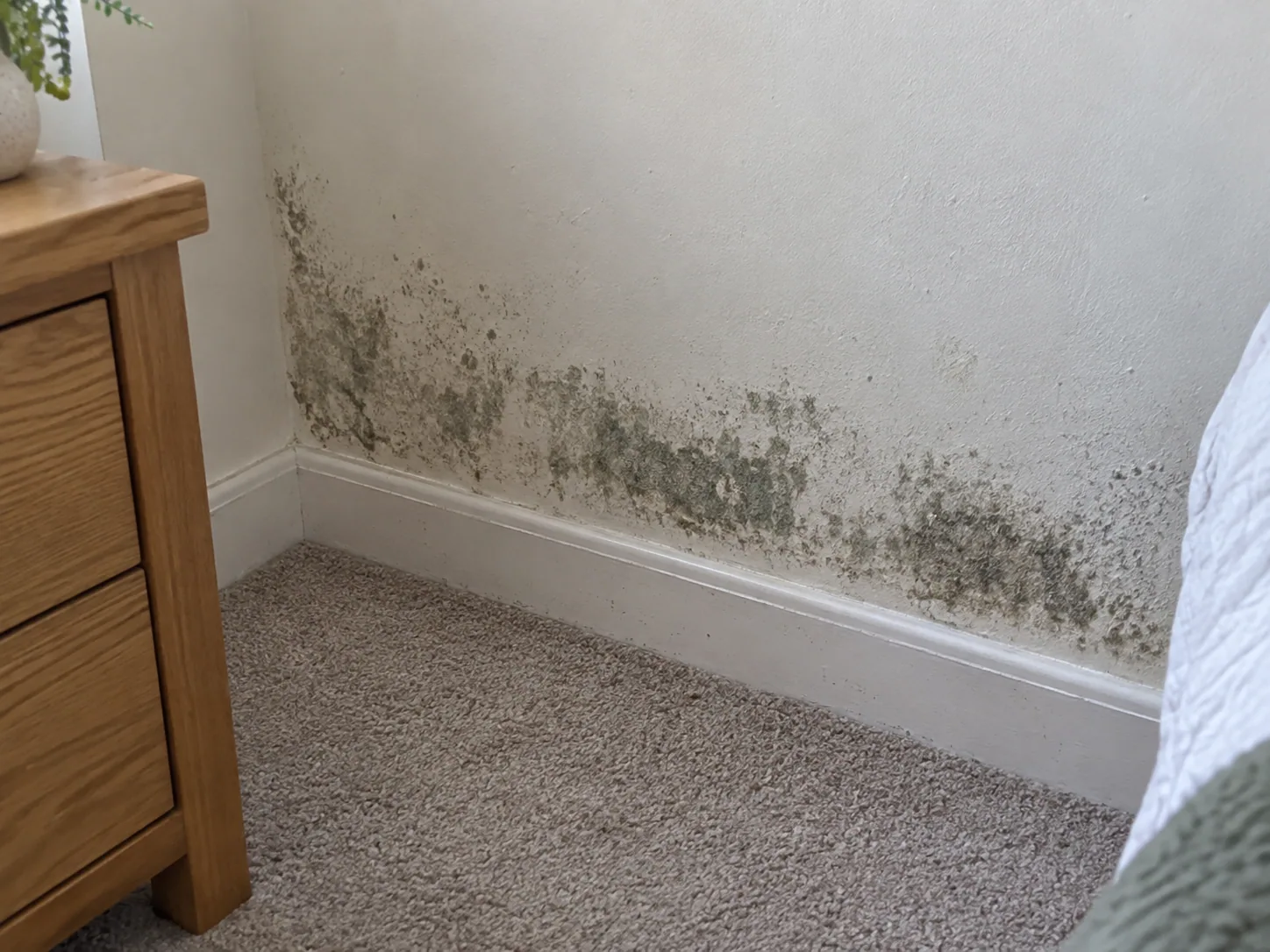
Mold testing Dallas homeowners request usually starts with one of three situations: a musty odor that will not go away, visible spotting that keeps returning after cleaning, or a recent moisture event where you want to know what is in the air and what is on building materials.
In North Texas, long cooling seasons mean HVAC runs a lot, and that steady airflow can spread spores from a hidden source inside a wall cavity, around a supply boot, at a return plenum, or near a persistently damp area. Testing helps you separate a surface stain from an active growth problem and gives you documentation useful for landlords, real estate transactions, or planning the right next step.
If you are also dealing with active moisture, start by stopping the source and drying the area first. Many clients pair sampling with water damage restoration when a leak or overflow is part of the story, since moisture control drives long-term results.
This is one part of our wider water damage restoration in Dallas service, covering homes and commercial property across the Dallas and North Texas area.
Targeted inspection and sampling
A proper mold inspection and sampling plan is designed to answer two practical questions: where is the likely source, and what types and levels of spores are present compared to a reasonable baseline.
Typical mold testing in Dallas includes:
Mold testing does not prove the exact health impact for any individual, and it cannot substitute for fixing moisture. Its value is clear, lab-backed information that helps scope the right containment and cleaning plan or confirm that a concern is low-risk and localized.
If you are in a condo or multi-unit building, we can help document what is inside your unit and recommend what building management should investigate next.
Useful results, clearly explained
We do not take random samples. We choose locations based on moisture clues, airflow patterns, and where occupants actually spend time.
Samples are sent to a qualified laboratory for microscopic analysis so results are consistent and defensible.
You receive a written summary of findings, lab results by location, and practical recommendations for next steps.
Whether you own, rent, or manage a property, we can help document conditions and explain what should be addressed first.
We protect surfaces, label and seal samples correctly, and keep the work area tidy so your results are not compromised.
Dallas-area property context
Mold growth needs moisture and a food source. In a Dallas home, that moisture is often intermittent, which is why issues can be frustrating to track down. We focus on places where water can appear briefly but repeatedly:
Neighborhood housing patterns matter too. In areas with older pier-and-beam construction, such as parts of Oak Cliff, we pay close attention to crawlspace ventilation and plumbing runs under the floor. In newer builds common in Frisco and Plano, concerns are often tied to tight building envelopes, HVAC balancing, and localized condensation.
If you notice symptoms in only one room, we can build a targeted plan that compares that space with a reference area and an outdoor control so the report tells a coherent story.
Inspection through report review
We ask what you are seeing or smelling, whether there has been a leak, and which rooms matter most so the visit stays focused.
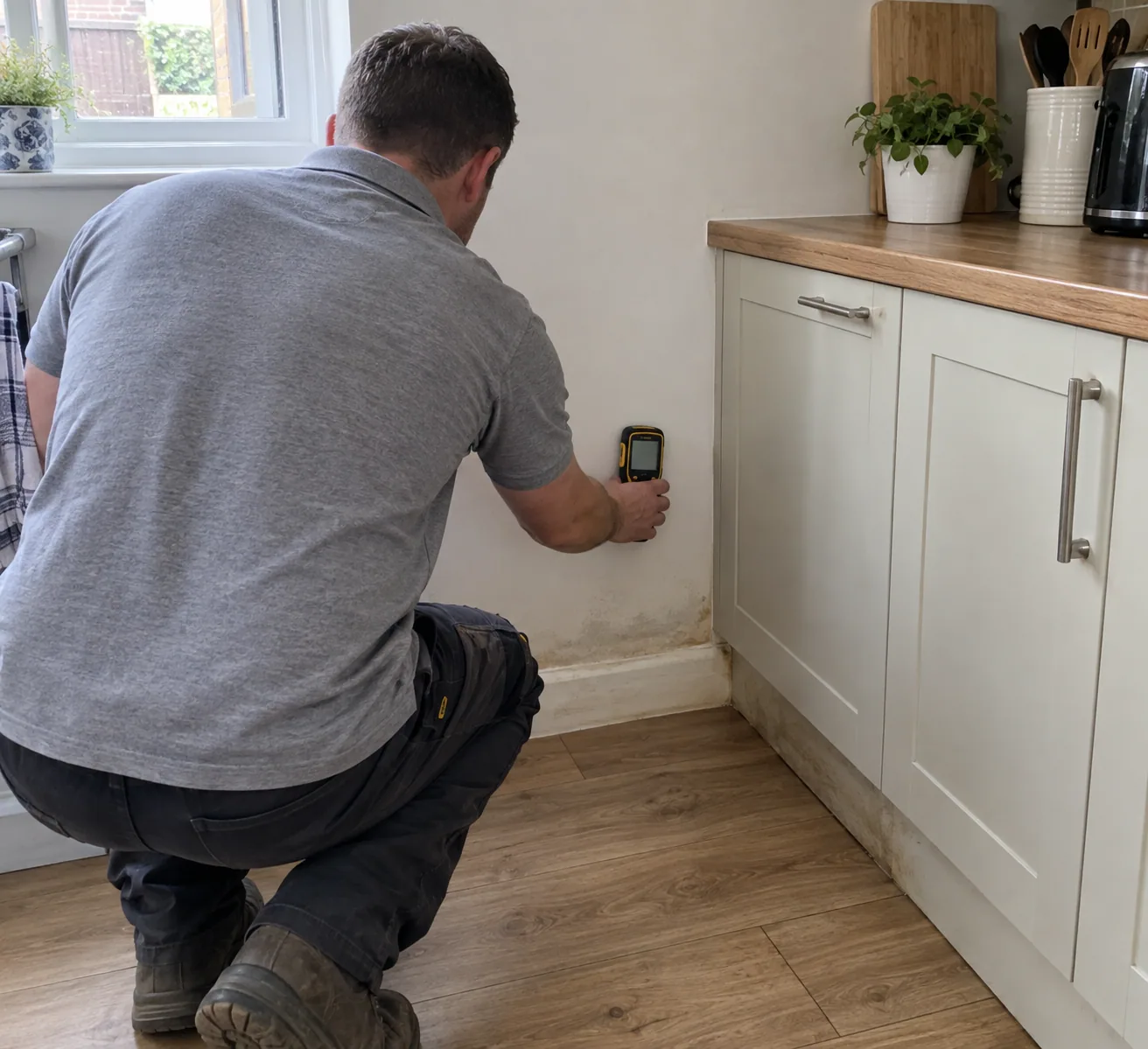
We walk the affected areas, look for visible growth and water staining, and use moisture meters to pinpoint materials that are still wet or have been repeatedly wet.
We collect the right type of sample for the question you are trying to answer: airborne spore levels, visible growth identification, or settled dust screening.
Samples are documented with chain-of-custody and sent for analysis. Turnaround depends on the lab and the number of samples.
We explain what the results mean in practical terms, where the likely source is, and what to address first to prevent recurrence.
Planning your sampling scope
Mold testing in Dallas typically ranges from about $325 to $850, depending on the size of the home and the number and type of samples needed. A basic inspection with 1 to 2 air samples is often on the lower end, while a larger home with multiple indoor air samples plus surface samples and targeted moisture investigation trends higher.
Final cost changes with square footage, how many rooms you need compared, whether an outdoor control sample is appropriate, access to attics or crawlspaces, and how quickly results are needed. Exact pricing is confirmed after we understand the scope and sampling plan for your property.
If you have a musty smell, recurring spots, or a recent leak, schedule an inspection so you can make decisions based on measured results, not assumptions.
Call for Emergency HelpAnswers before your inspection
Most inspections can be scheduled quickly, and lab turnaround is commonly a few business days, depending on the lab and sample volume. If timing matters because of a move-out, real estate deadline, or ongoing odor, tell us up front so we can build a sampling plan that fits your timeline.
Air sampling is best when you suspect hidden growth or want to compare rooms, while surface sampling is best when you have visible suspect growth and want it identified by the lab. Many Dallas homes benefit from a mix: an outdoor control plus one or more indoor air samples, and a surface sample where growth is visible.
Yes, in most cases normal HVAC operation helps represent real living conditions, because you want to know what you are breathing during typical use. If you have been running portable air cleaners or ozone devices, let us know, since they can skew results and complicate interpretation.
Testing can indicate whether spores are elevated in areas served by the system and can support suspicion of an HVAC-related source, but it does not by itself confirm internal contamination. If the pattern points to the system, we will explain what additional inspection steps make sense, such as checking coils, drain pans, and accessible duct sections.
Often, yes, because the useful question becomes how far it spread and whether there is a hidden moisture source feeding it. Lab identification can also help differentiate common outdoor intrusion from growth tied to an ongoing water issue, which changes how aggressive the cleanup and containment should be.
Leave the suspect areas as-is, avoid heavy cleaning right before the visit, and make a note of any leak history and when odors are strongest. If possible, provide access to key areas like under-sink cabinets, closets on exterior walls, and attic access points so sampling can be targeted rather than guesswork.
Lab-backed answers
Water Damage Dallas provides mold testing in Dallas with a practical inspection, properly collected samples, and lab-backed reporting so you know what is present and what to do next.