Mold Remediation
Containment, removal, and cleanup for affected materials, plus detailed post-work cleaning to reduce the chance of regrowth.
Serving Dallas, Texas & surrounding areas
24/7 Emergency Response
Protect your property with rapid cleanup and professional drying. Get a clear plan to prevent further damage to your Dallas home or business.
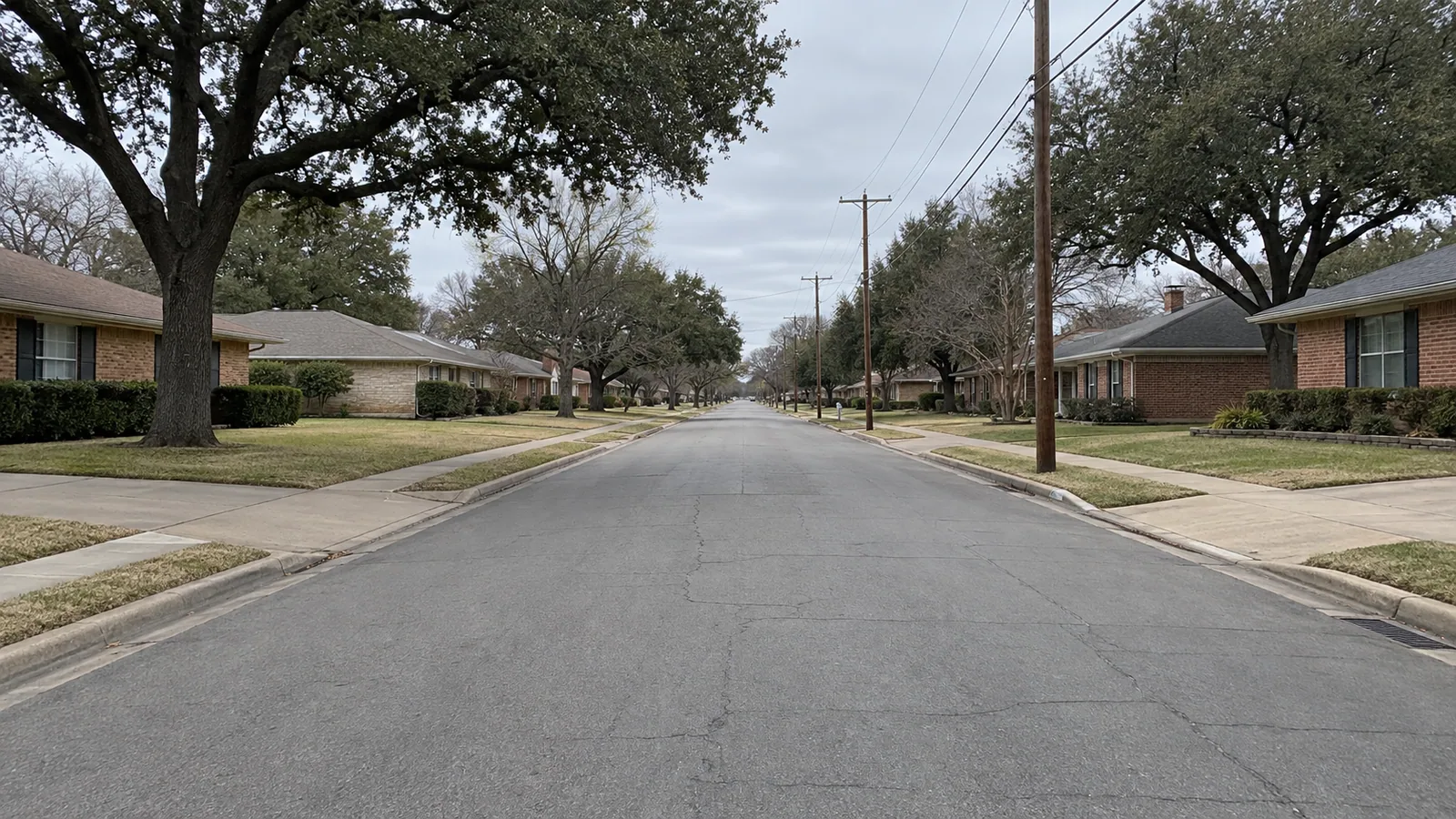
Restoration that goes beyond the surface
Water damage can spread quickly through flooring, drywall, cabinets, and insulation. Water Damage Dallas provides water damage restoration Dallas property owners rely on for rapid response, careful documentation, and drying that is verified with moisture readings.
We handle the full restoration workflow: stopping the source when possible, water removal, controlled demolition as needed, structural drying, and cleanup so repairs can move forward. Whether it is a supply line leak, an overflow, or storm-related intrusion, our goal is the same: stabilize the structure, dry materials correctly, and help you avoid long-term issues like swelling wood, delamination, and hidden moisture behind walls.
If you are not sure how far the water traveled, that is common. Water often moves under flooring and into wall cavities. A proper assessment, paired with the right drying setup, is what separates a quick surface cleanup from real restoration.
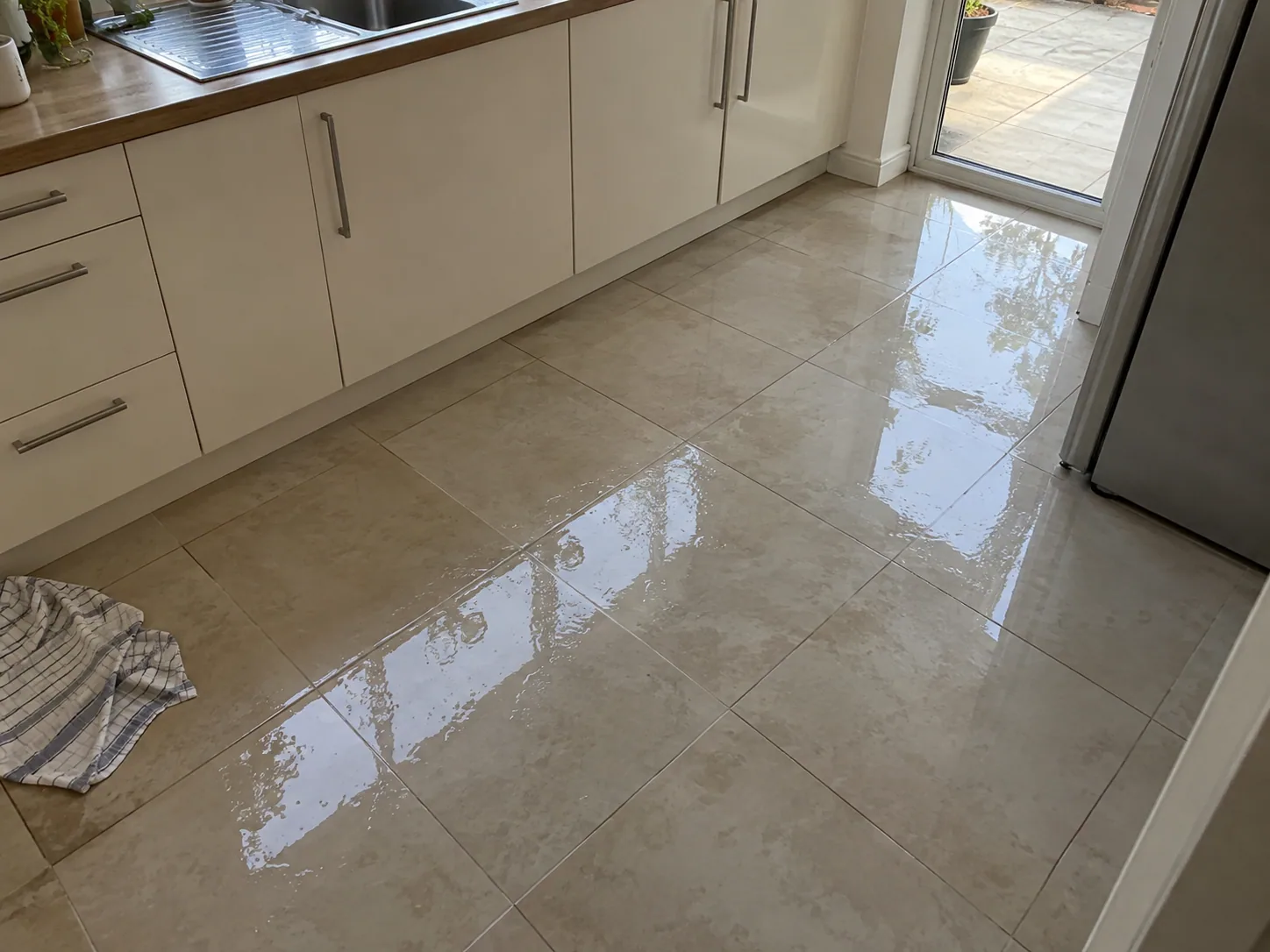
Complete property recovery
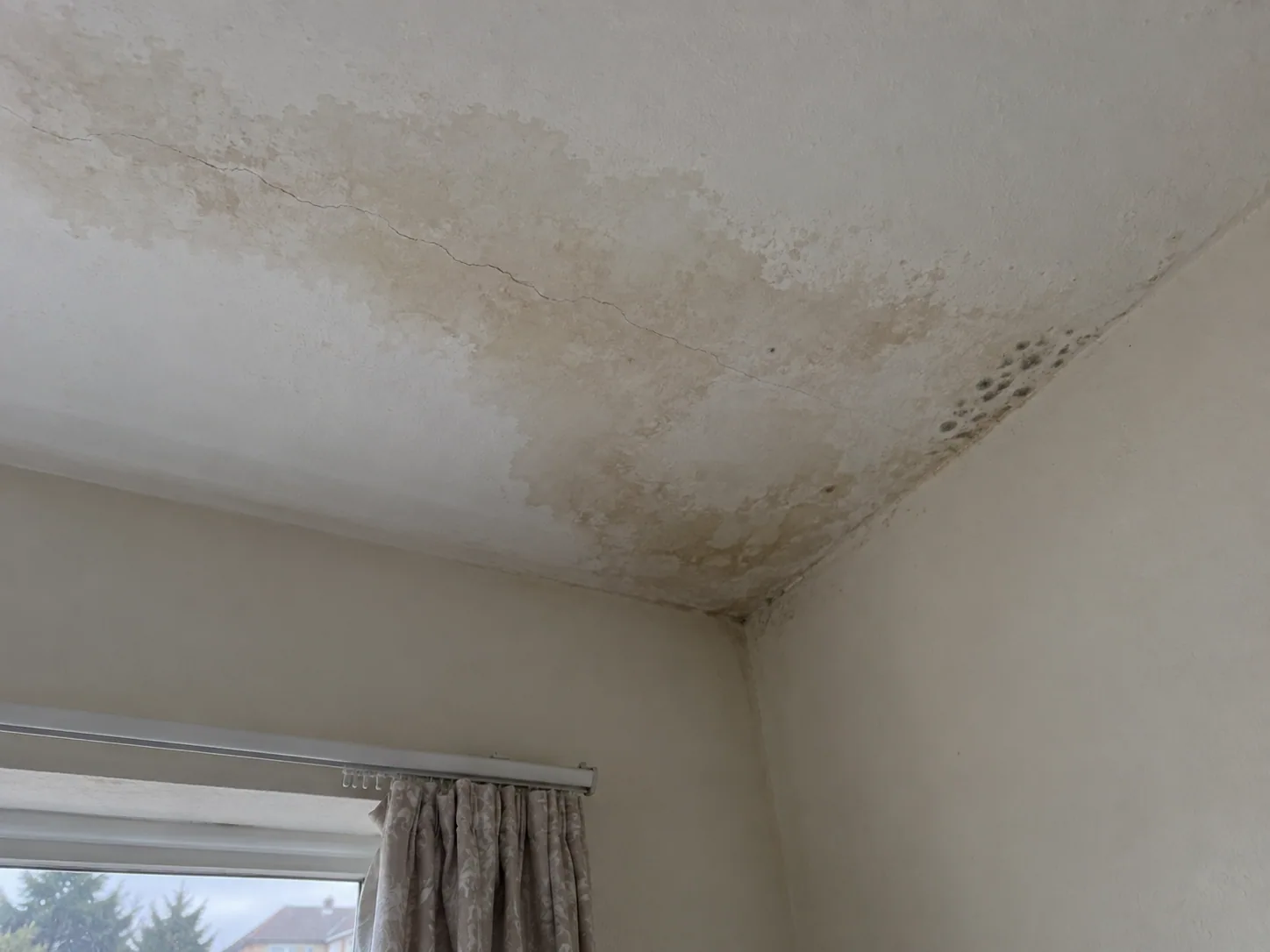
Containment, removal, and cleanup for affected materials, plus detailed post-work cleaning to reduce the chance of regrowth.
On-site evaluation to identify moisture sources, visible growth, and conditions that support mold so you know what needs to be fixed.
Targeted sampling with lab results to help confirm what is present and where, useful for real estate and post-remediation checks.
Careful containment and removal steps for suspected black mold, with a focus on safety and cross-contamination control.
End-to-end restoration support after leaks, overflows, or storm intrusion, including drying plans built around verified moisture levels.
Repairs after the dry-out, such as drywall replacement, baseboards, and rebuilding removed sections so the space is usable again.
Immediate actions to stop damage from spreading: water removal, protection of materials, and setting drying equipment quickly.
Fast removal of standing water using professional extraction tools to reduce soak time and speed up the dry-out process.
Focused water removal and initial stabilization to protect flooring, walls, and contents while next steps are determined.
Cleanup and restoration after flooding, including removal of contaminated materials when needed and thorough drying of the structure.
A measured approach
We check surfaces and suspected hidden areas so the drying plan matches the actual water path, not just what you can see.
Air movers and dehumidification are placed and adjusted based on readings, which helps dry materials evenly and safely.
You get an explanation of what needs to be removed versus what can be dried in place, with the reasons spelled out.
We protect salvageable areas, move and stage contents when needed, and keep the site organized while drying runs.
Photos and moisture notes help with property records and insurance conversations, especially when damage is not obvious.
Dallas restoration specialists
Water Damage Dallas is a Dallas-based team focused on water damage restoration. Our technicians approach each job with a simple priority order: stop the spread, remove water, dry the structure correctly, then prepare the space for repairs.
Because many water losses involve hidden moisture, we rely on practical field methods that hold up over time: moisture meters, targeted checks behind baseboards and under flooring transitions, and drying setups sized to the affected area. If materials cannot be saved, we explain why and what comes next, so you can make informed choices.
You will also get straightforward communication. If the scope changes after walls are opened or flooring is lifted, you hear it immediately with photos and next-step options.
Planning the scope
Water damage restoration in Dallas typically ranges from about $1,200 to $6,500+, with small clean-water dry-outs often landing around $1,200 to $2,500, and larger multi-room losses or projects needing demolition and rebuild trending $3,500 to $6,500+.
Your final price depends on the affected square footage, water category (clean vs. contaminated), how long materials were wet, what needs removal (drywall, flooring, cabinets), access, and how many days of drying equipment are required. The exact scope and cost are confirmed after an on-site inspection and moisture mapping.
From assessment to repair planning
We identify the source area, document affected materials, and take moisture readings to define the real footprint of the loss.
Standing water is extracted, contents are protected or staged, and sensitive areas are isolated to keep work clean.
If wet materials cannot dry properly in place, we remove only what is necessary so the structure can dry safely.
We place dehumidifiers and air movers, then monitor moisture levels and adjust equipment until target readings are met.
We perform jobsite cleanup and walk you through repair needs, timelines, and what to expect for the rebuild phase.
If you have wet drywall, buckling floors, or a musty smell after a leak, the fastest path to saving materials is a same-day assessment and drying plan.
Call for Emergency HelpLocal property context
We provide water damage restoration across Dallas, with response tailored to the kind of buildings and common water issues in each area.
Older homes and pier-and-beam construction can hide moisture under flooring and in crawlspaces, so inspections
Condos and multi-family buildings often need careful coordination and strong containment to protect neighboring
A mix of renovations and older plumbing means leak sources can vary; we prioritize quick shutoff guidance and
Larger footprints and custom finishes raise the stakes for contents staging and selective removal to pre
Hardwood and historic finishes are common, so drying plans often focus on preventing cupping and checking u
Answers before work begins
In many situations we can start the same day, especially for active leaks or standing water. Early extraction and drying setup can prevent secondary damage like swelling wood, staining, and trapped moisture behind baseboards.
We handle both cleanup and structural drying as part of water damage restoration. That includes extraction, setting dehumidifiers and air movers, and verifying progress with moisture readings until materials reach safe levels.
Stop the water source if it is safe, turn off electricity to affected areas if water is near outlets, and move small valuables to a dry place. Avoid running HVAC if you suspect water entered return vents or wall cavities.
Sometimes, yes, but only when materials cannot dry properly in place or when water is contaminated. We explain what can be saved versus what should be removed, based on moisture readings and how the assembly is built.
Yes, we can provide photos, notes, and a written scope that helps support a claim. Final coverage decisions are made by the carrier, but clear documentation makes the process more straightforward.
We use moisture meters to track drying progress and check common hidden areas like wall bottoms, flooring edges, and around cabinets. Drying is considered complete when readings show materials are back to acceptable levels for repair work.
Start with a clear assessment
Tell us what happened and where the water is showing. We will schedule an on-site inspection, map the moisture, and give you a clear scope for cleanup and drying before repairs begin.
Dallas Insurance Guide
Texas policies turn on one question: was it sudden, or did it happen slowly? Pick what happened and see where you are likely to stand before you call your insurer.
Likely position
Usually covered
Watch out for
What helps your claim
General guidance on how Texas policies usually treat these causes. Not insurance advice, and not a coverage decision. Your own policy wording and endorsements decide the outcome.