Room-by-room evaluation
We check the areas clients worry about most: bathrooms, laundry rooms, kitchens, closets on exterior walls, and around HVAC returns and supply registers.
Serving Dallas, Texas & surrounding areas
24/7 Emergency Response
Mold inspection · Dallas, Texas
If you smell musty odors, see staining, or had a recent leak, a certified assessment can confirm what's present, where it's coming from, and what to do next. Water Damage Dallas provides clear inspection findings and a written report you can act on.
Evidence before action
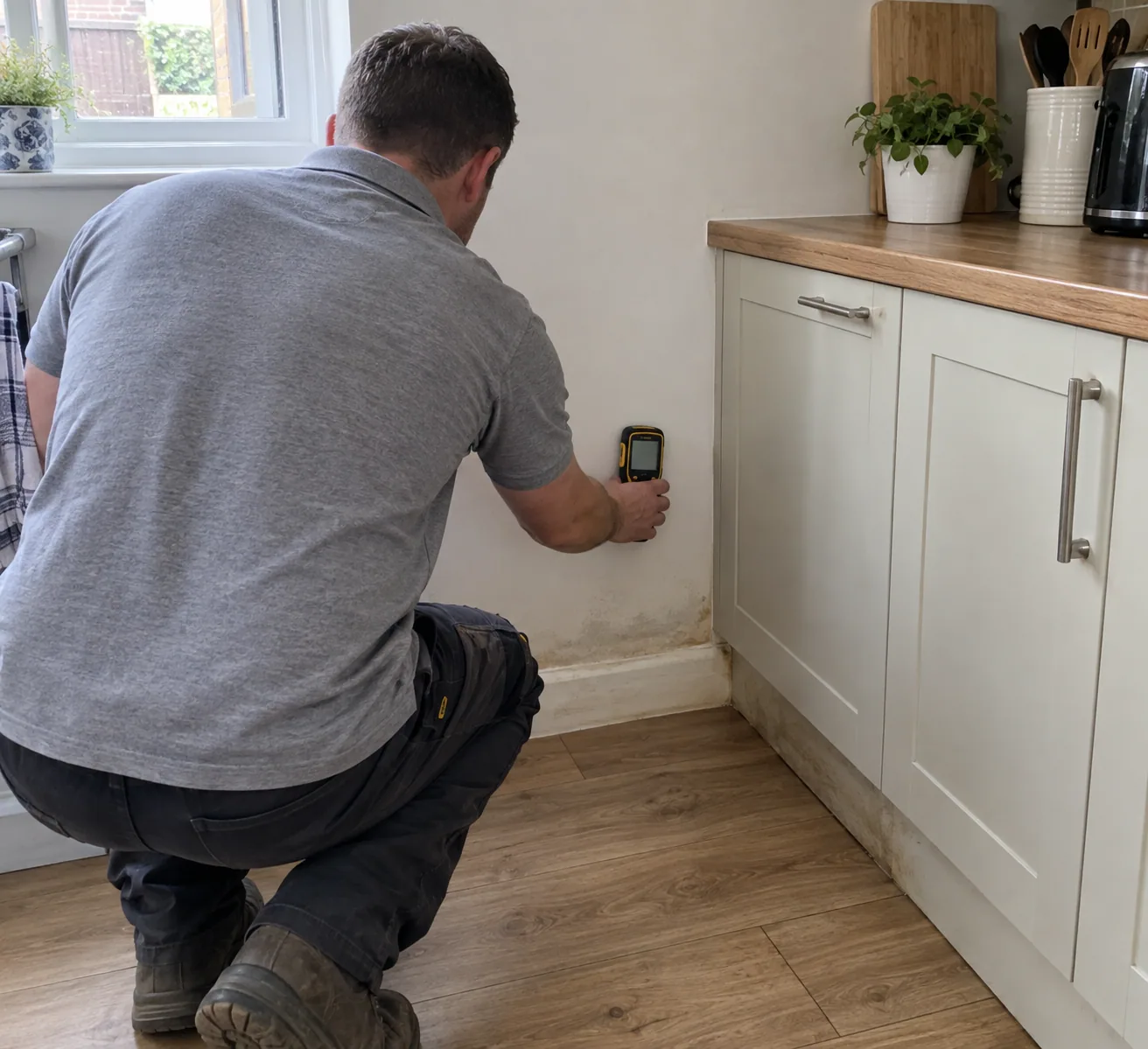
A mold inspection should answer three practical questions: where moisture is getting in, whether conditions support microbial growth, and what areas need attention first.
For mold inspection Dallas appointments, we focus on evidence-based findings, not guesswork. That means looking for moisture sources—plumbing leaks, roof intrusions, HVAC condensate issues, and humidity traps—documenting visible growth or suspect staining, and checking adjacent building materials where mold commonly spreads.
Dallas homes and commercial spaces often run air conditioning for long stretches of the year, and that can hide problems behind walls or around air returns when moisture is present. If you've had a past leak, a slow drip under a sink, an overflow, or a wet carpet that dried too slowly, an inspection helps you confirm whether the area is truly dry and stable.
If your situation started with water intrusion, the fastest way to reduce mold risk is to address the moisture source promptly. When that's your case, our team can also help with water damage restoration when you need drying and stabilization after a leak.
This is one part of our wider water damage restoration in Dallas service, covering homes and commercial property across the Dallas and North Texas area.
A practical property assessment
We check the areas clients worry about most: bathrooms, laundry rooms, kitchens, closets on exterior walls, and around HVAC returns and supply registers.
We use moisture detection tools to identify wet building materials and likely pathways so you can correct the source, not just treat the symptom.
You get clear photos of observed conditions and notes that support next-step decisions, whether you're a homeowner, landlord, or property manager.
We flag what is time-sensitive, what can be monitored, and what is likely cosmetic so you can prioritize correctly.
If remediation is needed, we explain typical containment and cleaning approaches at a high level so you know what a proper plan should include.
Focused on the moisture source
Most mold problems start with moisture. During a mold inspection, we look for the reason moisture is present and how far it may have traveled.
Typical inspection focus areas include:
When we find elevated moisture or suspect growth, we document conditions and explain what the findings mean in plain language. If sampling is appropriate for your situation, we'll discuss when it's useful—and when it isn't—so you're not paying for tests that won't change the plan.
We serve Dallas proper, including denser condo and apartment buildings near Downtown and Uptown where shared walls and stacked plumbing can spread moisture between units, and single-family neighborhoods like Lakewood and Oak Cliff where older construction details can hide slow leaks behind plaster or layered finishes.
From concern to clear findings
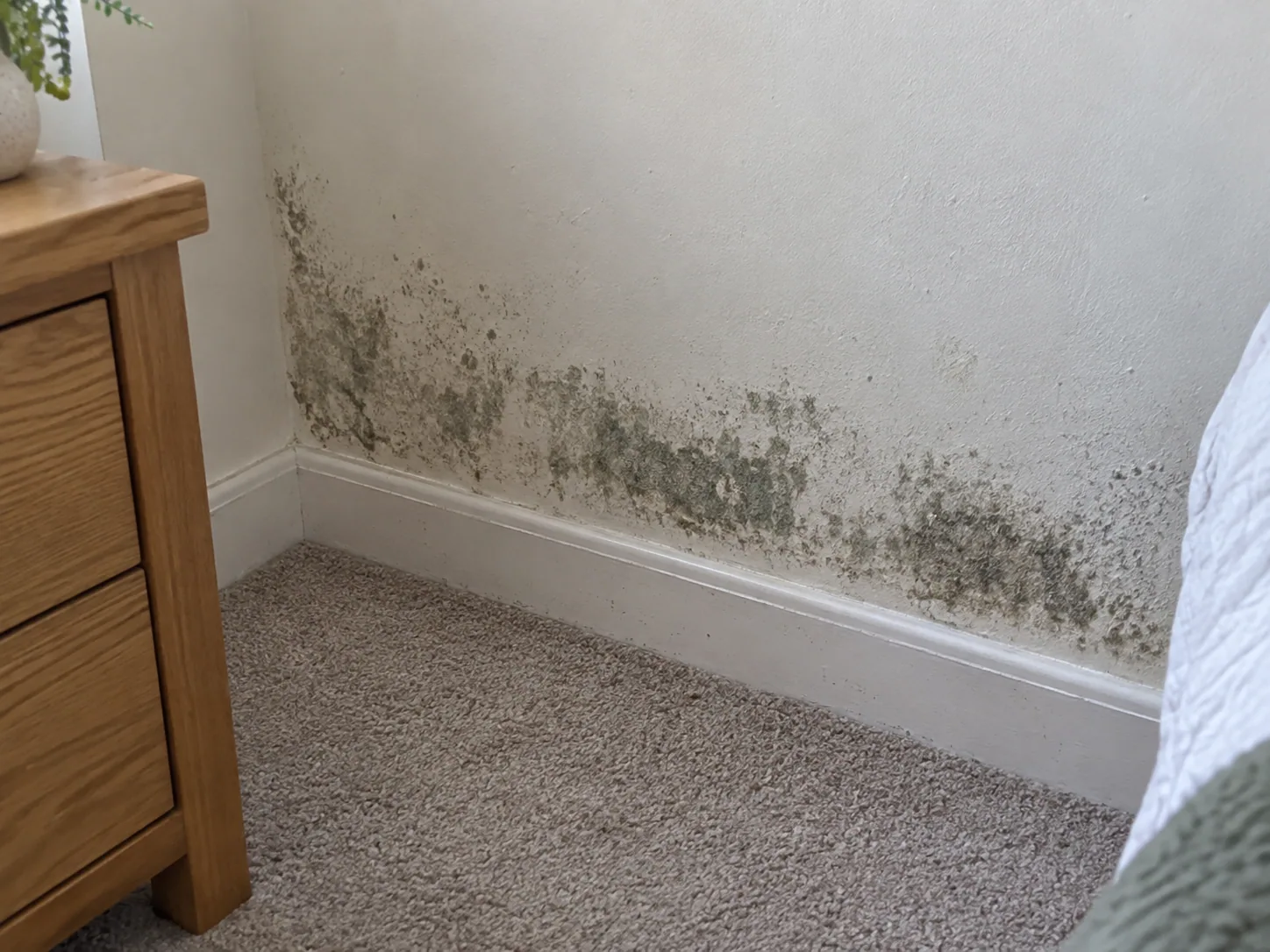
We start with what you're noticing: odors, health concerns, visible spotting, recent leaks, or a failed real-estate inspection. We also note any areas that have been previously repaired.
We inspect the suspected areas and the adjacent spaces that often share moisture pathways, including wall cavities near plumbing, floors below bathrooms, and ceilings beneath roof penetrations.
We take readings, document visible conditions, and identify likely moisture sources. Where helpful, we outline what should be opened up by a qualified contractor to confirm concealed conditions.
You get a clear explanation of what was observed, what it suggests, and practical next steps. If you're coordinating with a landlord, insurer, or buyer, the report keeps everyone on the same facts.
Planning your assessment
Most mold inspection Dallas appointments typically range from about $250 to $650 for a standard home, while larger homes, multi-unit properties, or inspections that require more extensive documentation often run $650 to $1,200+. If lab sampling is requested, that is usually an additional cost per sample.
Price depends on square footage, how many areas need to be checked, accessibility such as an attic or tight crawlspace, whether moisture mapping is extensive, and how detailed the report needs to be for real estate or property management. Exact pricing is confirmed after we understand the property and the concerns you want addressed.
Answers before your appointment
Schedule an inspection when you have a musty odor, visible spotting, recent water intrusion, repeated condensation issues, or a tenant or buyer raising concerns. In Dallas, long AC seasons can keep windows closed and reduce fresh-air exchange, so odors and humidity problems often show up indoors before you see obvious staining.
You often need an inspection first, and testing only when results will change decisions or documentation requirements. Sampling can be useful for real-estate documentation, post-remediation verification planning, or when visible growth is not present but symptoms and moisture conditions suggest a hidden issue.
Most residential inspections take about 60 to 120 minutes on site, depending on home size and how many areas need moisture checks. Multi-unit or commercial spaces can take longer because multiple rooms and mechanical areas may need documentation.
Yes, and shared plumbing chases and stacked units are common moisture pathways in multi-family buildings. We document what we can access inside your unit and note when findings suggest a source may be outside the unit, which helps you communicate clearly with building management.
Make the suspected areas accessible by moving small items away from sinks, tubs, water heaters, and HVAC closets. If you have photos of past leaks or repairs, keep them handy. Avoid running strong cleaners or covering areas with paint right before the visit, since that can obscure visible indicators.
It will tell you what conditions were observed, the likely moisture source, and what areas should be addressed or opened for confirmation. The specific fix depends on the cause, such as a plumbing leak, roof intrusion, or persistent high humidity, but the inspection gives you the evidence needed to choose a proper scope.
Yes. We provide written documentation of observed conditions, moisture findings, and recommended next steps, which is what buyers, sellers, and agents typically need to move forward with clear expectations. If you have a transaction deadline, mention it when you reach out so scheduling and report timing can be planned.
If you're seeing stains, smelling musty odors, or trying to confirm the impact of a past leak, get an assessment that ties the evidence to a practical plan for what happens next.
Clear findings and next steps
Tell us what you've noticed and where, and we'll schedule a mold inspection that documents conditions, checks moisture, and gives you a straightforward report for repairs, remediation decisions, or peace of mind.