Containment that protects the rest of the home
Proper barriers and negative air reduce the chance of spores spreading into bedrooms, closets, and common areas while work is underway.
Serving Dallas, Texas & surrounding areas
24/7 Emergency Response
Mold remediation · Dallas, Texas
If you smell musty odors, see staining, or have had a recent leak, we can inspect, contain the affected area, remove contaminated materials, and restore safe indoor conditions with a clear written scope and estimate.
Source-first remediation
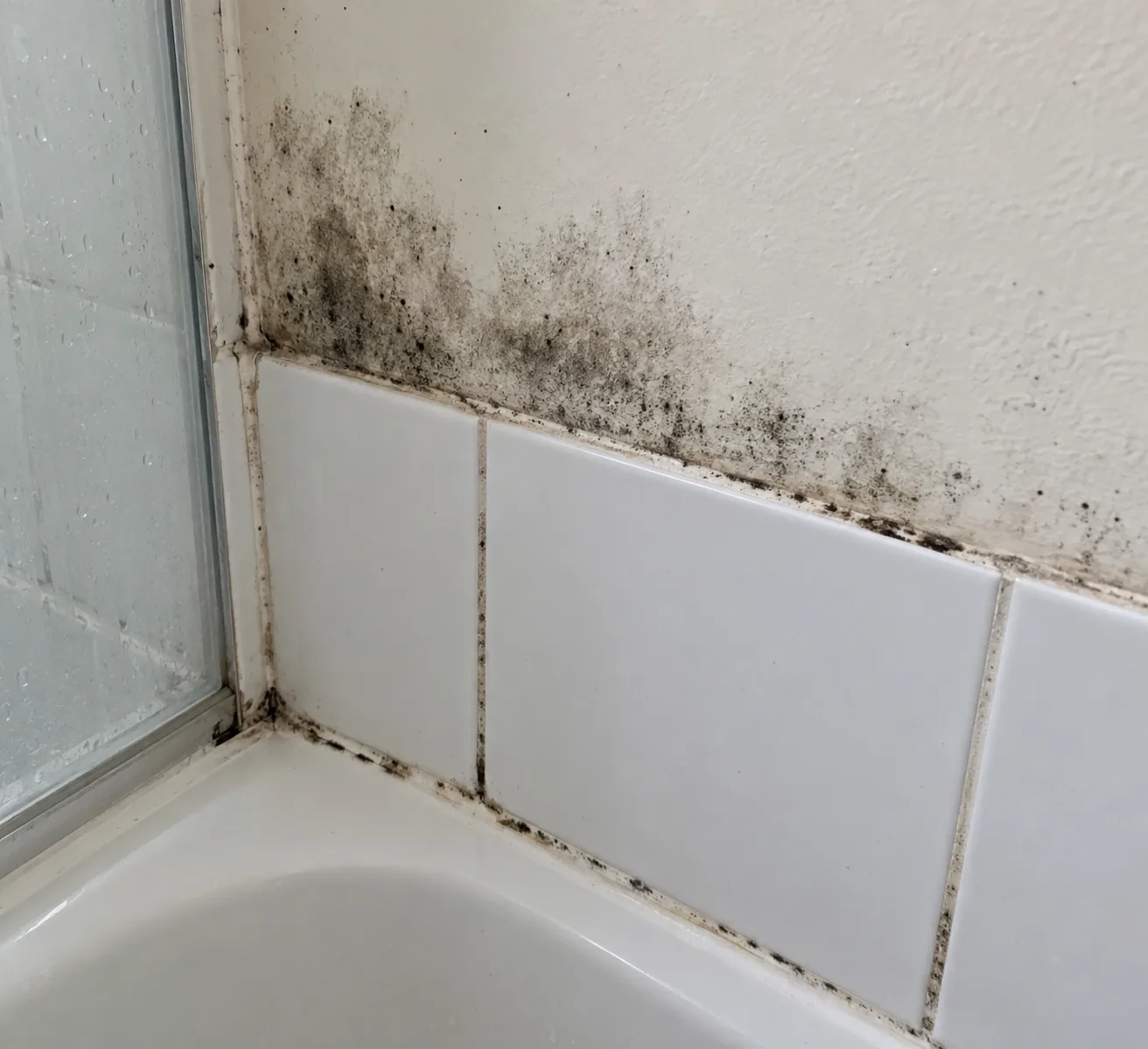
Effective dallas mold remediation is not just cleaning what you can see. Mold keeps coming back if moisture is still present behind drywall, under flooring, or inside an HVAC chase. Water Damage Dallas handles the full remediation cycle: inspection, moisture mapping, containment, removal or cleaning of affected materials, and post-remediation verification steps so the area can be safely rebuilt.
In Dallas, mold problems often follow plumbing leaks, roof leaks, overflowing drains, and HVAC condensation issues. In areas with older housing stock, hidden leaks can run for weeks before anyone notices. In newer builds, a fast leak behind a cabinet or around a shower pan can wet drywall and baseboards quickly. Either way, the right approach is the same: find the wet materials, stop the moisture, and remediate using controlled, dust-managed methods.
If your mold concern is tied to a recent leak or flooding, starting with a coordinated plan helps avoid duplicated work. Many customers pair remediation with water damage restoration when there is active wet material, odor, or visible staining after a water event.
This is one part of our wider water damage restoration in Dallas service, covering homes and commercial property across the Dallas and North Texas area.
A controlled, material-specific scope
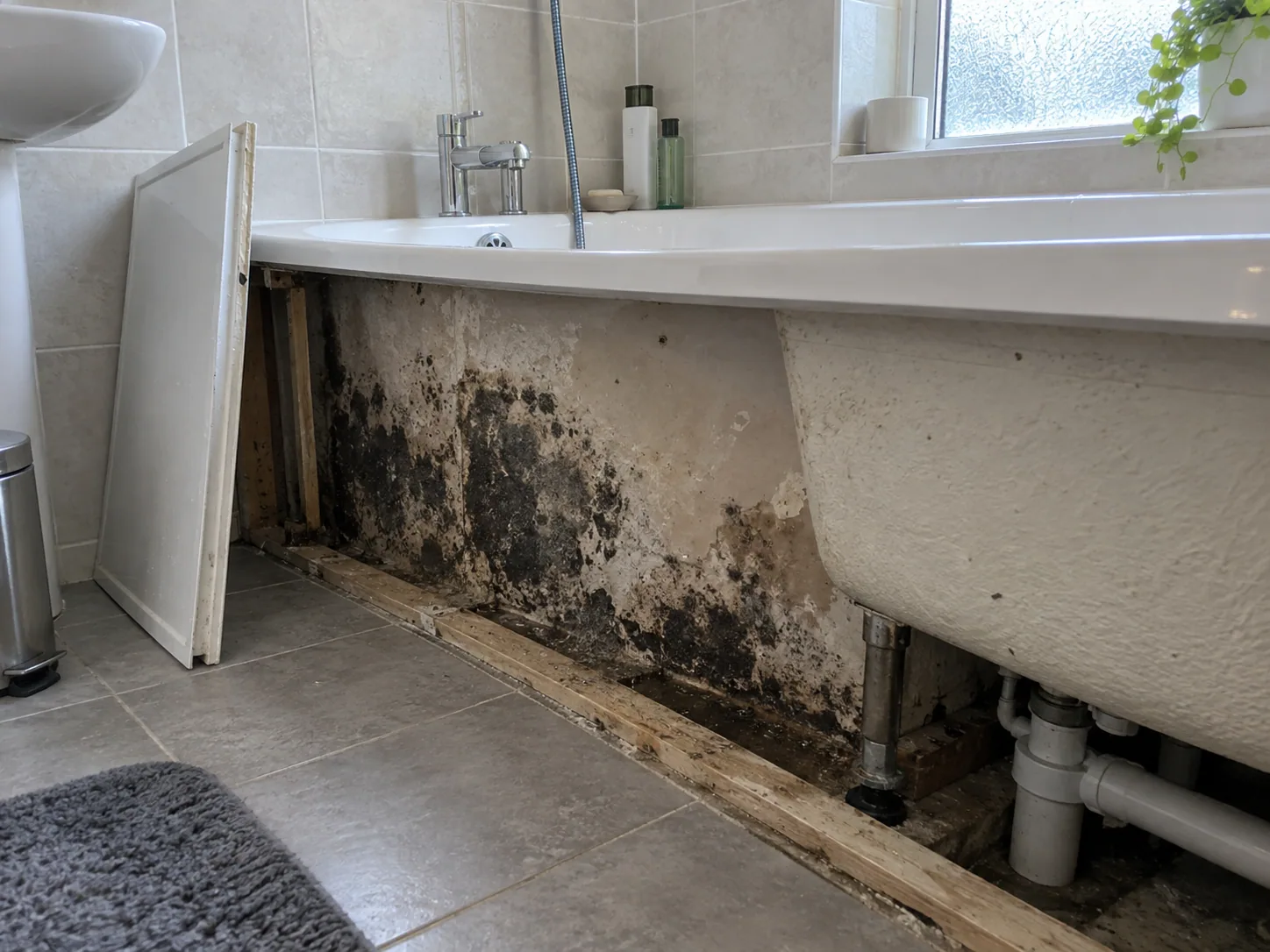
A professional remediation plan is written around the specific building materials and the amount of growth, not a one-size checklist. Most projects include:
You will also get a clear scope describing what is being removed versus cleaned, where containment will be set up, and what must be addressed to prevent recurrence—leaks, condensation, ventilation, drainage, or occupant habits.
Professional remediation standards
Proper barriers and negative air reduce the chance of spores spreading into bedrooms, closets, and common areas while work is underway.
You should know what is being removed, what is being cleaned, what access is required, and what the job needs to be complete before any work starts.
Framing, drywall paper, insulation, and tile backer all behave differently. The plan should match the substrate, not rely on surface spraying.
HEPA filtration, careful bagging, and detailed final cleaning matter as much as the removal itself, especially in occupied homes and offices.
We plan around access, after-hours needs, tenant communication, and safe work zones for businesses, while keeping homes livable where possible.
Assessment through rebuild readiness
We look for visible growth and water staining, then check adjacent materials and likely pathways behind baseboards, under sinks, around supply lines, and near HVAC returns. If needed, we recommend targeted testing by a qualified third party so the remediation scope matches the findings.
You receive a scope that spells out containment boundaries, equipment plan, what will be removed versus cleaned, and what must be fixed to stop the moisture source.
We install barriers, protect floors, and stage HEPA air scrubbers. For larger or more sensitive areas, negative air pressure is used to keep particulates from migrating.
Impacted porous materials are removed in a controlled way. Remaining structural surfaces are HEPA vacuumed and cleaned, with additional passes in corners, framing joints, and transitions where dust settles.
We confirm materials are dry and the area is clean. If your project requires post-remediation verification, we coordinate timing so clearance can happen before reconstruction begins.
Planning the remediation scope
Dallas mold remediation typically ranges from about $1,200 to $4,500 for a small to mid-size contained area, while larger multi-room or full-level projects commonly run $5,000 to $15,000+ depending on removal needs and access.
Final cost depends on how far mold has spread, how much drywall, insulation, or flooring must be removed, whether negative air is required, where the moisture source is, and how tight access is in attics, crawlspaces, or closets. Exact pricing is confirmed after the on-site inspection and a written scope.
Answers before work begins
Most contained residential mold remediation jobs take 1 to 3 days of on-site work, with longer timelines when multiple rooms, attics, or extensive drywall removal is involved. Scheduling can also depend on drying time and whether you want post-remediation verification before repairs begin.
Remediation should not start until the moisture source is stopped, because wet materials can keep feeding growth and undo the work. If a plumbing leak, roof leak, or HVAC condensate issue is still present, the plan begins with stopping that water intrusion, then drying, then remediation.
Drywall often needs to be removed when mold is on the paper face or inside a wall cavity, because drywall is porous and cannot always be cleaned back to a safe condition. When growth is limited to non-porous surfaces, cleaning methods may be appropriate, but the decision is based on what is actually impacted after inspection.
Many jobs can be completed while the home is occupied if containment is properly built and the work area is isolated, but it depends on the location and size of the affected area and the occupants' sensitivities. We will tell you up front if temporary relocation for a room or a short period is the safer option.
Clear access to the affected area and remove small personal items from the immediate work zone, but avoid disturbing visible growth by scrubbing or dry-brushing. If the issue is under a sink or in a closet, emptying those contents helps the crew build containment and work efficiently.
Remediation focuses on safe removal and cleaning and getting the area ready for reconstruction, and many projects also need drywall, flooring, trim, or cabinet repairs afterward. If you need coordinated repair planning, we can outline what must happen next so the rebuild starts from clean, dry materials.
Start with a written scope
Share what you're seeing—odor, staining, a recent leak, or affected rooms—and we'll schedule an inspection, explain the containment and removal approach, and provide a written scope that fits your Dallas property.