Emergency water extraction
We remove standing water and reduce spread to adjacent rooms. Faster extraction lowers how far moisture wicks into drywall, trim, and flooring assemblies.
Serving Dallas, Texas & surrounding areas
24/7 Emergency Response
Flood restoration · Dallas, Texas
When water gets in, time matters. Get rapid extraction, professional drying, and a clear repair plan from a certified team that works smoothly with insurance when a claim is involved.
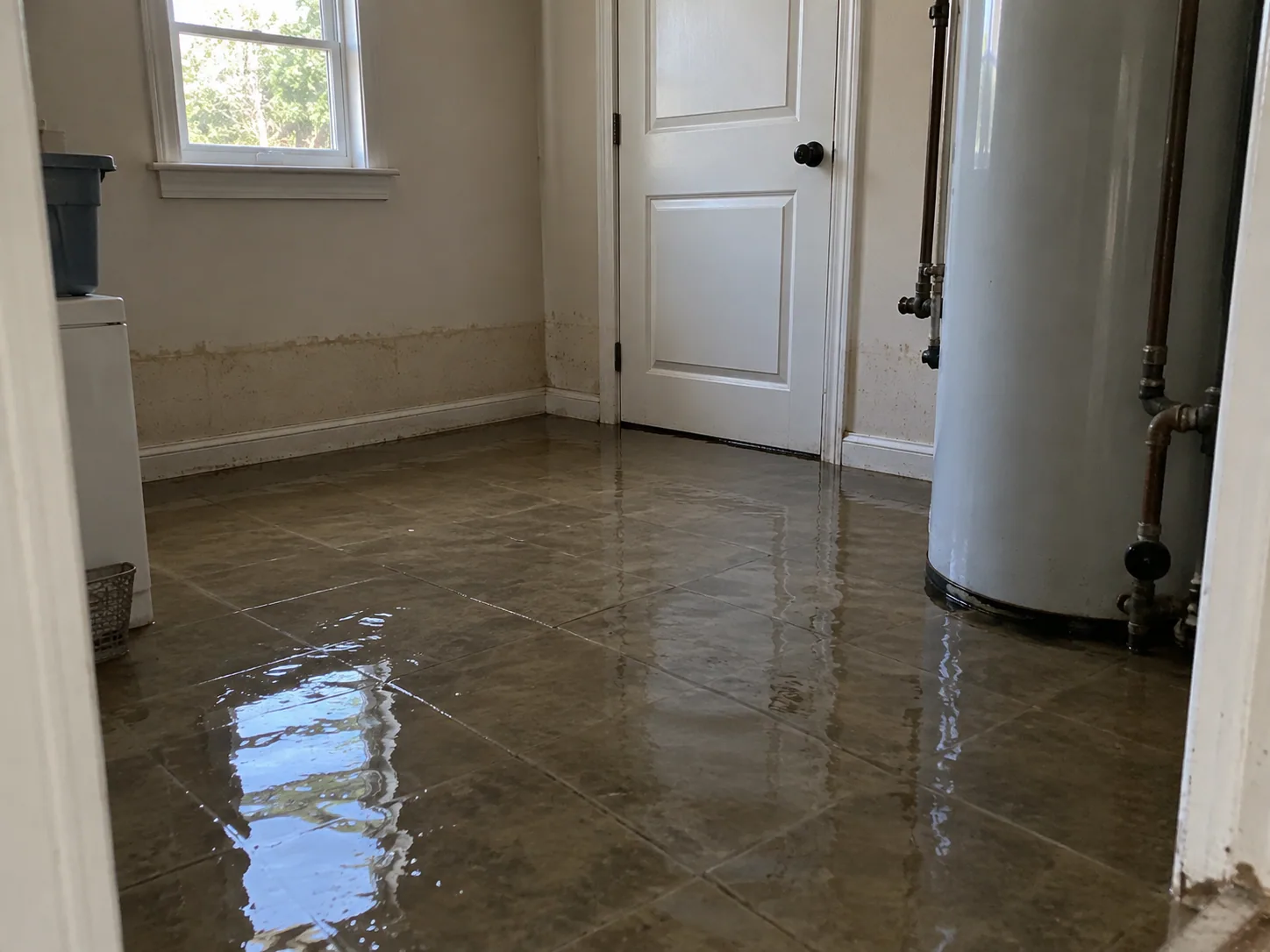
Measured mitigation from the start
If you are searching for flood restoration Dallas help, you are usually dealing with a mix of urgency and uncertainty: where the water came from, what materials are wet behind walls, and what the next steps should be. Water Damage Dallas handles the full restoration sequence so the situation does not drag on.
Our work starts with water extraction and moisture mapping, then controlled structural drying, and then the repairs needed to put the property back together. We document conditions as we go, keep the drying setup targeted to your building materials, and communicate in plain language so you know what is happening each day.
In Dallas, fast-changing weather and intense storm events can turn a small entry point into widespread wet materials quickly. That is why we treat flood cleanup as both a mitigation job and a building-science job: remove water, manage humidity, and verify dryness with instruments before closing anything up.
This is one part of our wider water damage restoration in Dallas service, covering homes and commercial property across the Dallas and North Texas area.
Extraction through repair planning
We remove standing water and reduce spread to adjacent rooms. Faster extraction lowers how far moisture wicks into drywall, trim, and flooring assemblies.
We use moisture meters and thermal imaging where appropriate to find wet areas that are not visible, including base plates, wall cavities, and subfloor layers.
Air movers and dehumidifiers are placed based on airflow paths and material type. We monitor moisture readings and adjust equipment rather than guessing.
If materials cannot be dried to an acceptable standard, we remove them surgically—for example, affected drywall cuts and wet insulation—to prevent trapped moisture.
We clean affected surfaces, address odors at the source, and recommend next steps if contamination is suspected. Not every loss needs heavy chemicals, and we do not treat it that way.
After dry-out, we help define the repair scope so rebuild work matches what was removed or affected. Documentation stays organized for insurance review if applicable.
Instrument-guided assessment
A proper assessment is more than spotting visible puddles. Water can travel under floating floors, through grout lines, into cabinet toe-kicks, and down wall cavities. The first visit focuses on identifying the source category, the materials affected, and the realistic drying path.
We check typical trouble areas such as:
In Dallas, you will see a wide mix of construction types, from older plaster or lath assemblies in some neighborhoods to newer drywall and engineered framing in recent builds. Each system dries differently, so equipment layout and the decision to remove materials is based on readings, not assumptions.
When a claim is involved, clear photos, moisture logs, and daily notes help keep the process moving with the adjuster and reduce disputes about what was wet versus what was removed.
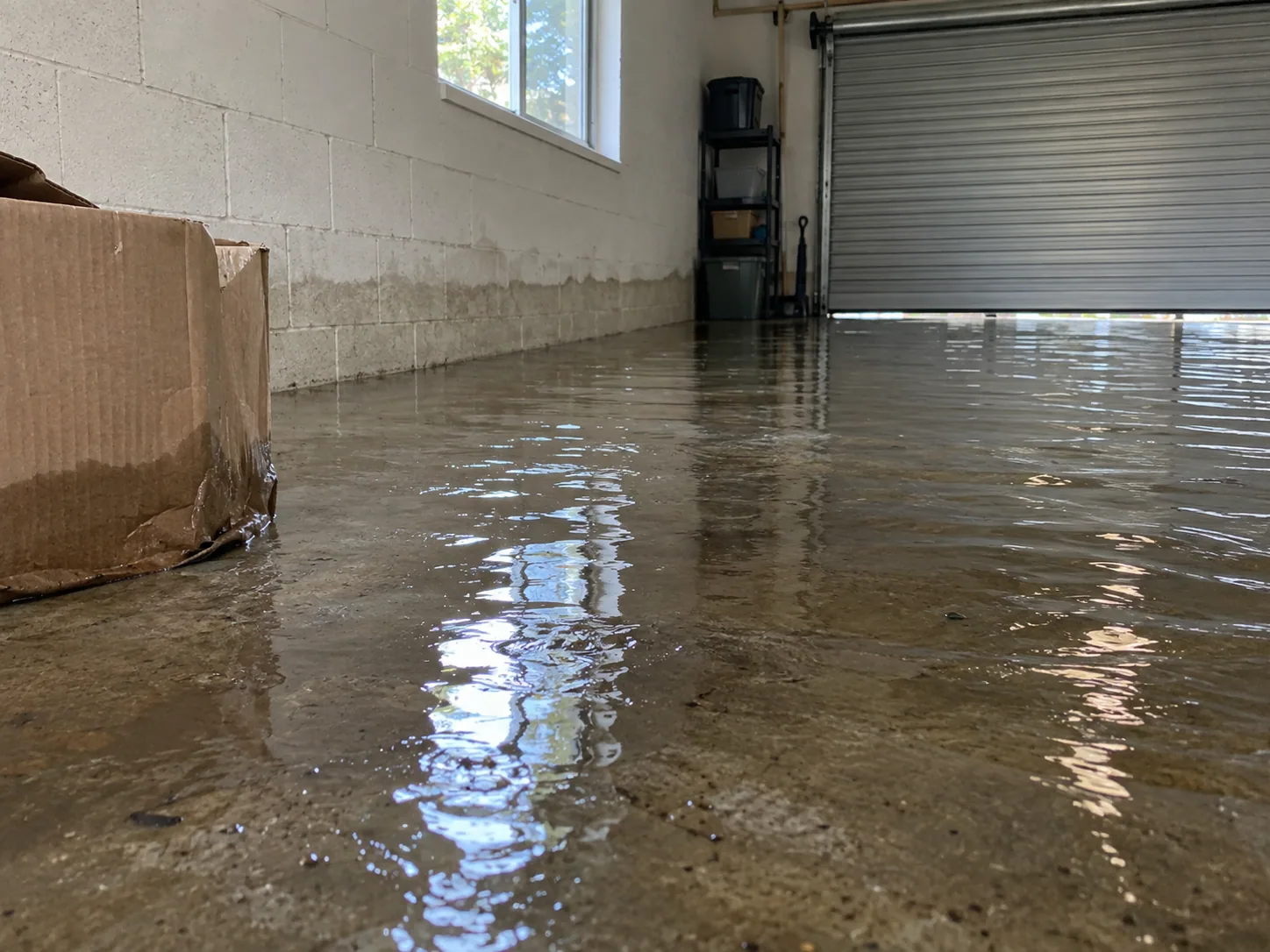
From first inspection to repair readiness
We start by confirming immediate hazards such as electrical exposure, ceiling sagging, or contaminated water concerns. If the water source is active, stopping it comes first.
We remove standing water, set up containment if needed, and protect unaffected areas. This step is about preventing spread while creating access for drying.
We document wet materials and set a drying strategy based on what is affected—drywall, framing, slab, crawlspace, or subfloor. Equipment placement is intentional, not blanket coverage.
Drying is measured. We track moisture content and humidity, move equipment as conditions change, and remove materials only when drying targets cannot be met.
Once readings indicate the structure is dry enough to rebuild, we provide the documentation needed to transition into repairs and restoration scope.
Planning the restoration scope
Flood restoration in Dallas typically ranges from $1,500 to $7,500+, depending on how far water traveled and what materials must be removed and replaced. A small, contained incident with limited wet drywall may fall near the low end, while multi-room flooding with flooring removal, insulation replacement, and extended drying runs higher.
Final cost depends on water category, square footage affected, drywall and flooring type, access such as stairs and tight rooms, and whether cabinets or wall cavities are involved. Exact pricing is confirmed after an on-site inspection and moisture mapping.
If water has entered your property, start with a professional inspection and moisture map so the next steps are based on measurements, not guesswork. You can also get a broader view of restoration timelines and what to expect through water damage restoration.
Answers before restoration begins
In most situations, the goal is to begin mitigation as soon as possible because wet drywall, insulation, and flooring can deteriorate quickly. Once you reach out, we prioritize an inspection, immediate extraction if there is standing water, and rapid equipment setup to control humidity and prevent moisture from spreading into adjacent rooms.
Stop the water source if it is safe, avoid using outlets or appliances in wet areas, and move small valuables and paper goods to a dry room. If you can safely do so, blot or mop up minor surface water to reduce spread, but avoid pulling up flooring or opening walls without a plan because it can increase damage or complicate drying.
Yes. We document the loss with photos, moisture readings, and a written scope so the claim has clear support. Coverage depends on the cause of loss and the specific policy, but organized documentation and a measured drying record typically help the process stay straightforward for the adjuster.
Drying time commonly takes 3 to 5 days, but it varies based on how saturated materials are, how many rooms were affected, and whether water entered wall cavities or subfloor layers. We base the timeline on daily moisture measurements and ambient humidity control, not on a preset number of days.
Sometimes, yes. Materials are removed when they cannot be dried to an acceptable standard or when they block access to wet assemblies, such as insulation in a wall cavity. When removal is necessary, we keep it targeted so the repair scope stays as small as practical while still allowing a verified dry-out.
Not always. Water category depends on the source, and that category affects cleaning methods and what materials can be saved. For example, clean water from a supply line is handled differently than water that contacted soil or sewage. We assess the source and conditions on-site and recommend cleaning and removal steps that match the risk level.
Yes. High-rise and multi-unit properties often require extra coordination for building access, elevator protection, and documenting affected units or common areas. We plan equipment placement and monitoring with those constraints in mind so drying remains controlled and neighbors are less impacted.
Start with measured conditions
Tell us what happened and what areas are affected. We will schedule an on-site assessment, document moisture conditions, and outline the steps to extract water, dry the structure, and move into repairs with clean documentation.