Rapid removal of standing water
We use high-volume pumps for deep water and high-CFM extractors for carpet and pad to reduce moisture load fast.
Serving Dallas, Texas & surrounding areas
24/7 Emergency Response
Water extraction · Dallas, Texas
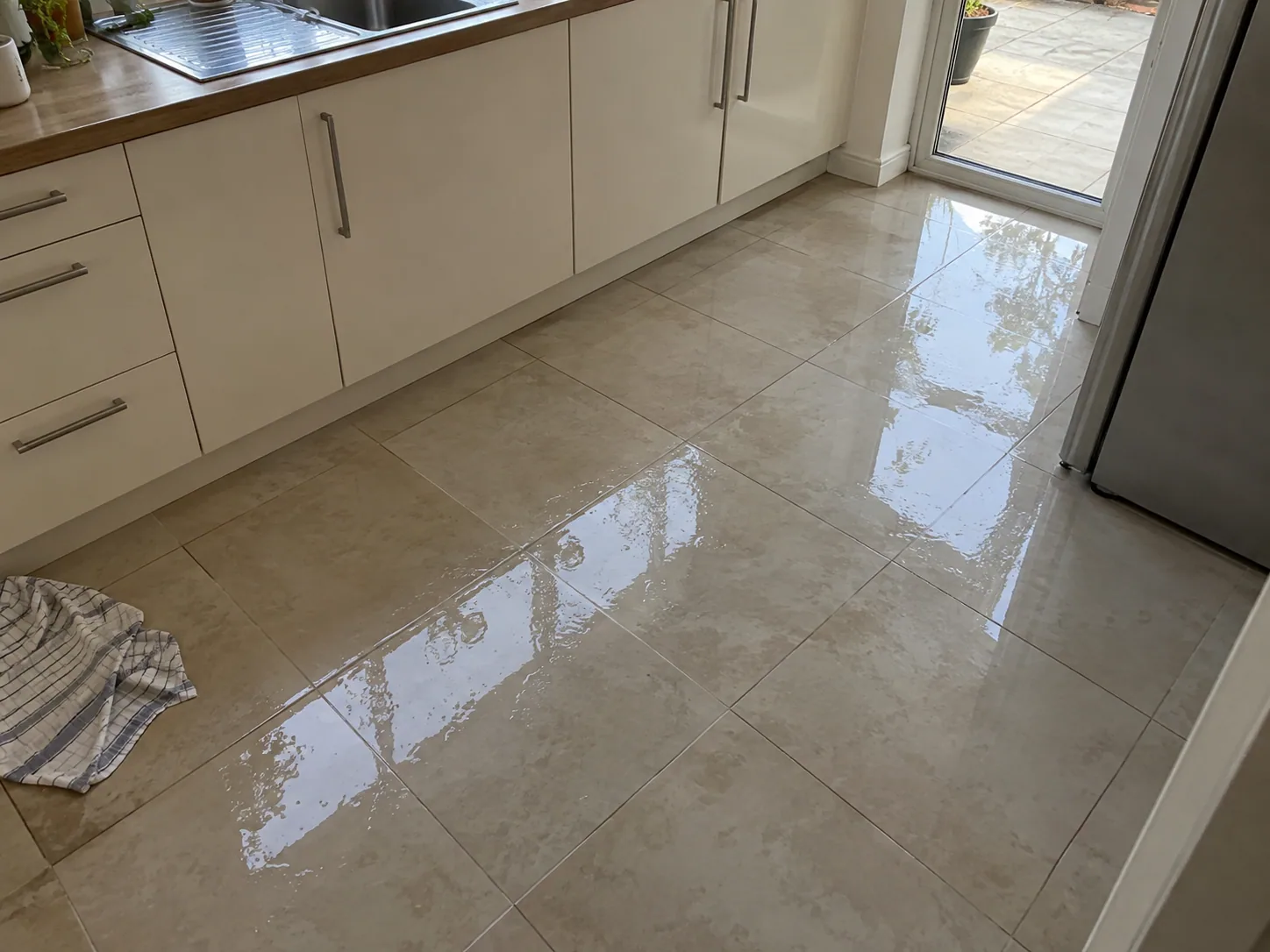
If you have standing water after a leak, burst pipe, or storm, our local team responds fast, removes water with commercial pumps, and sets up targeted drying to help limit damage and downtime.
Immediate water removal
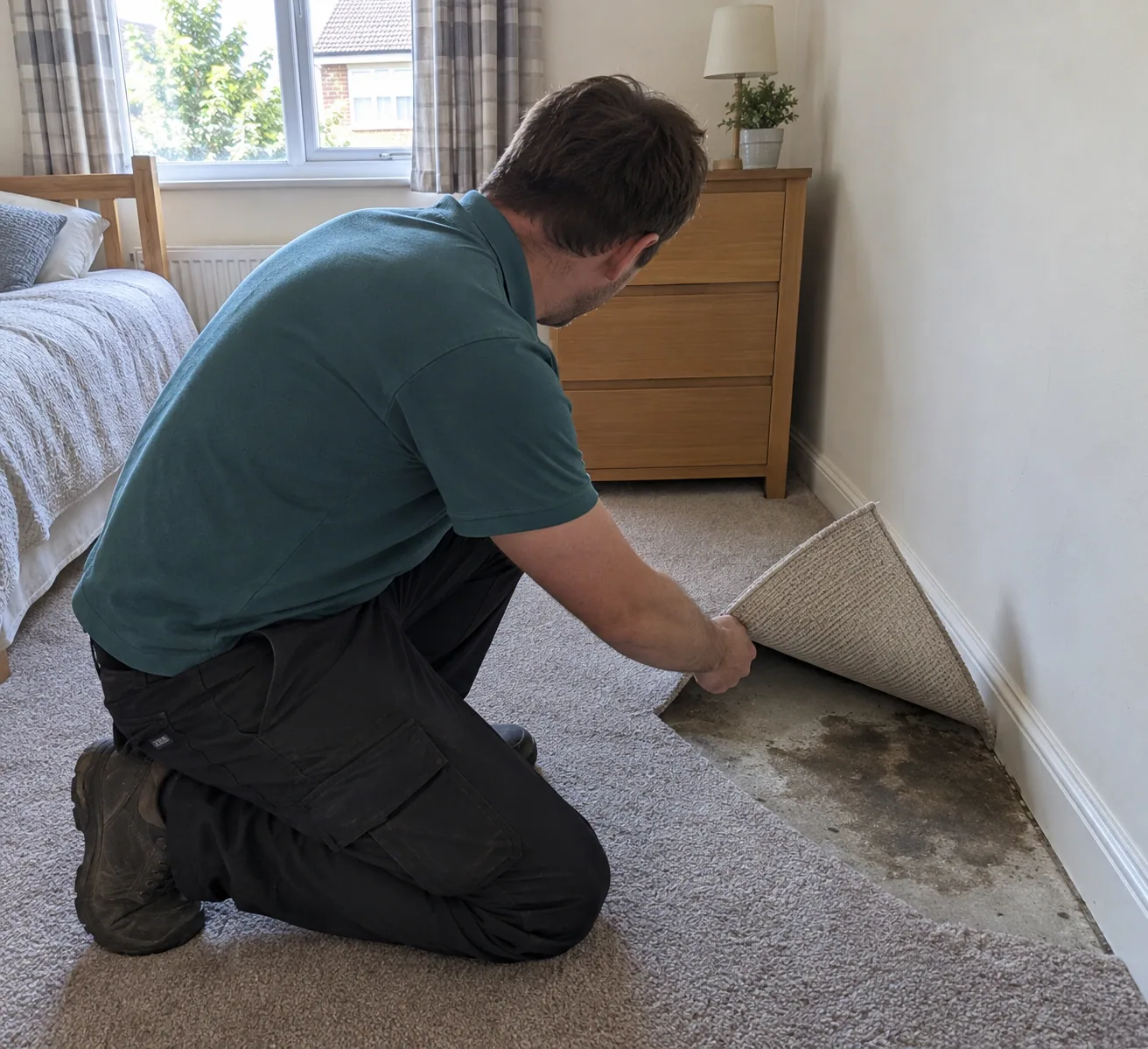
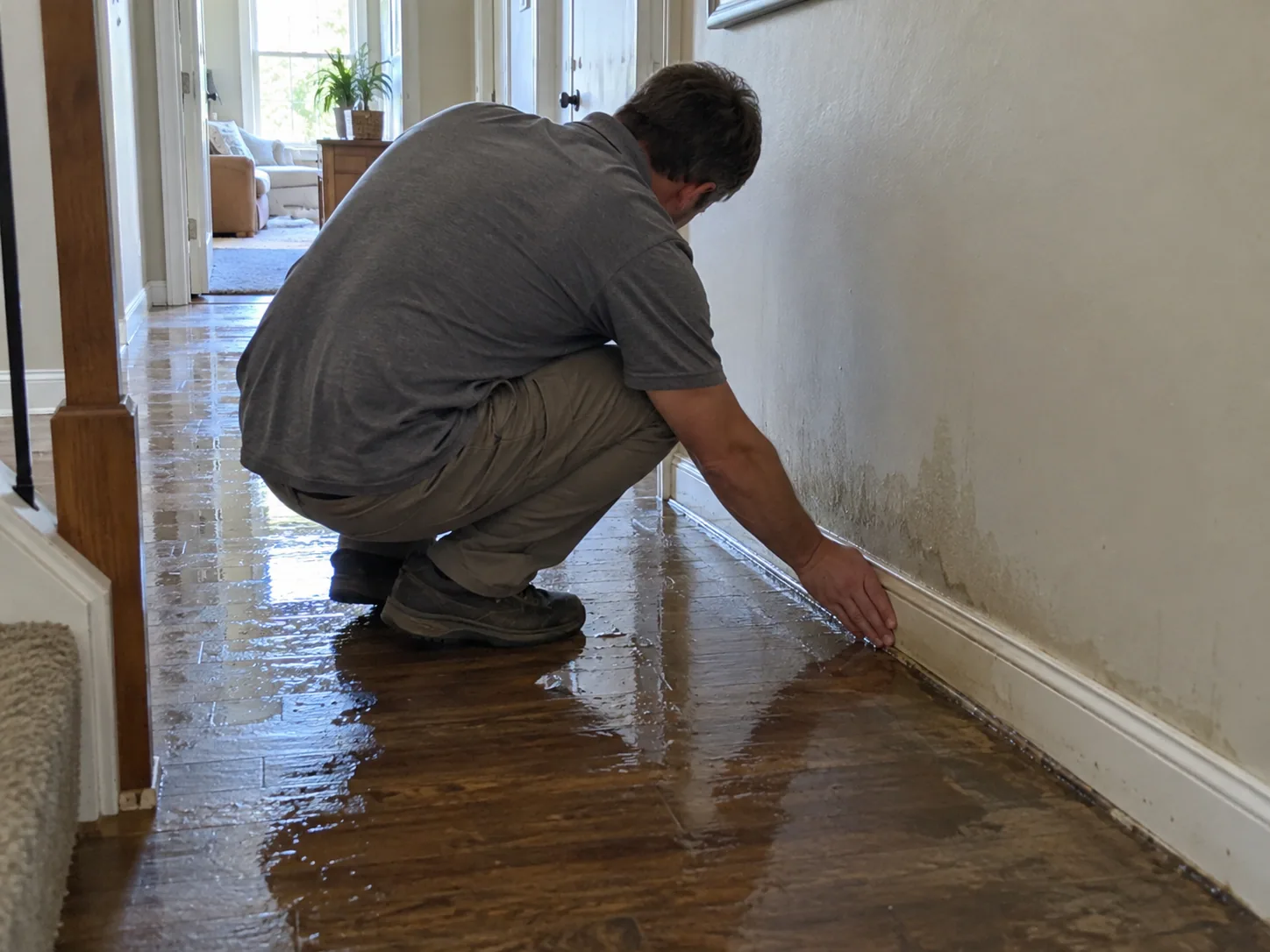
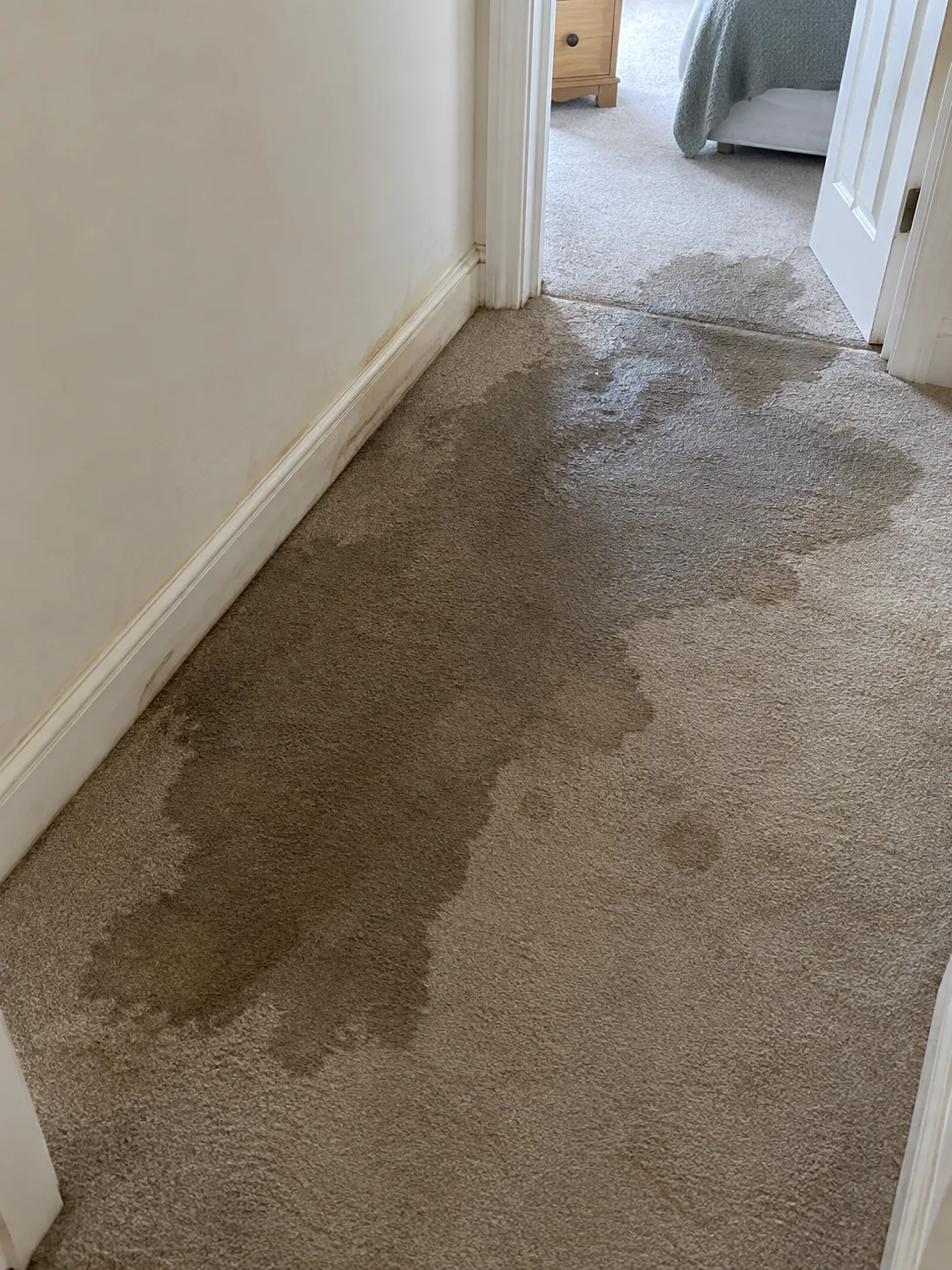
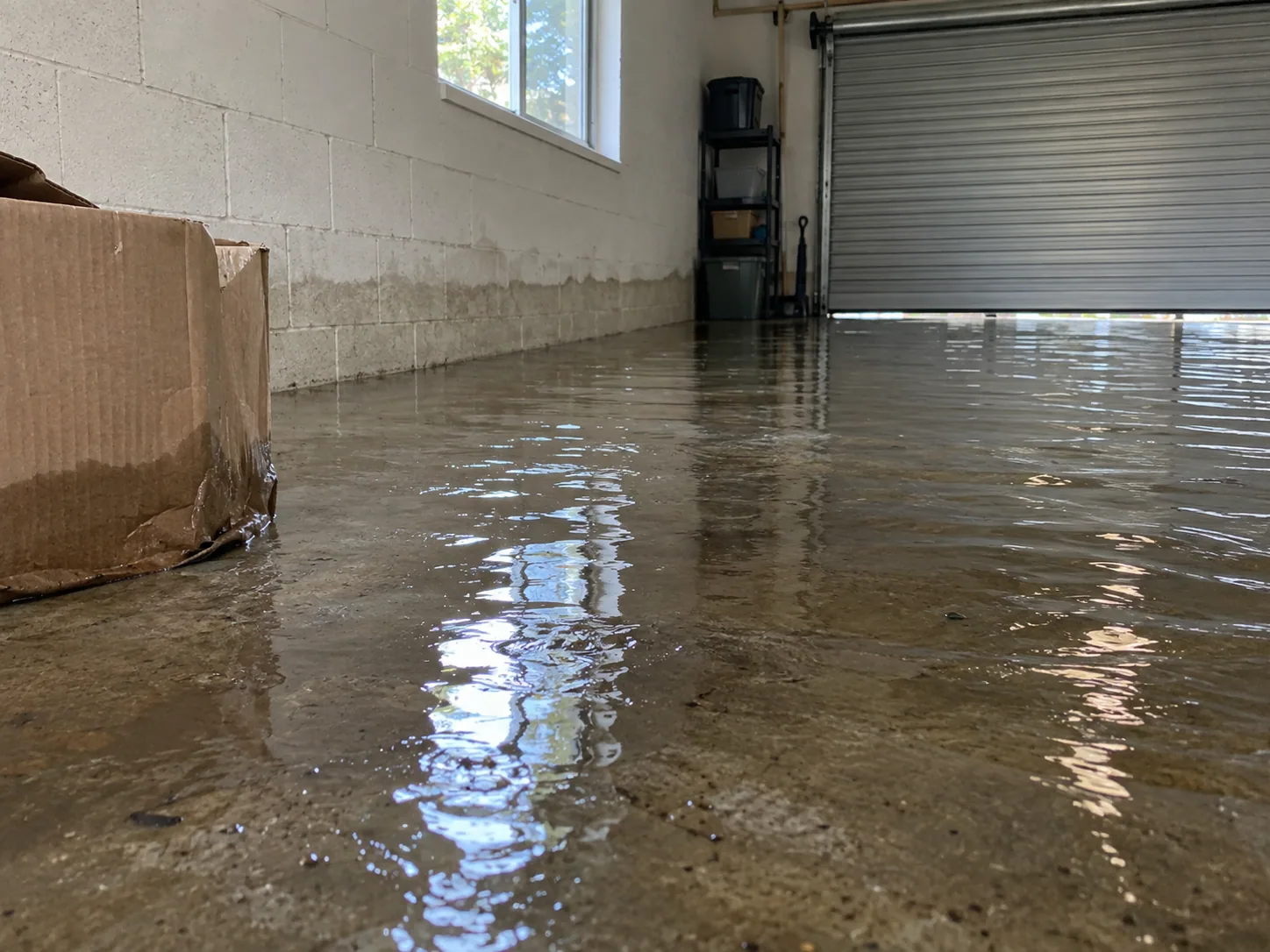
Water extraction Dallas service is about one thing: getting liquid water out of your property quickly and safely so drying can actually work. Standing water spreads. It wicks into baseboards and drywall. It can seep under flooring and into the pad beneath carpet. The sooner extraction starts, the more you can often save.
At Water Damage Dallas, we treat every job like a time-sensitive cleanup. We arrive ready to locate the water, stop the spread, and extract it with professional equipment sized for the situation. For many Dallas homes and storefronts, that means dealing with water that has moved beyond the obvious puddle, including under cabinets, into closets, or through shared walls.
You will get a clear plan before work begins: where the water is, what has to be removed or detached for access, and what the next steps are after extraction—drying, monitoring, and any rebuild work you choose to schedule later.
This is one part of our wider water damage restoration in Dallas service, covering homes and commercial property across the Dallas and North Texas area.
Professional extraction standards
We use high-volume pumps for deep water and high-CFM extractors for carpet and pad to reduce moisture load fast.
We track how far water traveled with moisture meters and thermal imaging where appropriate, then focus extraction and drying where it counts.
When water is contaminated or has contacted sewage or outdoor runoff, we isolate affected areas and use appropriate PPE and disposal practices.
Extraction is step one. We stage air movers and dehumidifiers to pull remaining moisture from materials and the air.
We document moisture readings and affected materials so you can make informed decisions and support an insurance claim if you file one.
You will know what is happening each day, what is drying, and what conditions could slow progress, like trapped water under flooring.
Property-specific planning
Dallas buildings vary a lot, and that changes how water behaves.
You will see us prioritize: stopping the spread, pulling out as much liquid water as possible, opening up access where needed, and setting drying equipment with measurable targets. Our water damage restoration overview explains how the full cleanup-to-repair workflow typically fits together.
Assessment through dry-out
We identify the source, check for electrical hazards, and classify the water—clean, gray, or contaminated—because that affects handling and disposal.
We map wet areas with meters and visual inspection, including baseboards, drywall, flooring transitions, closets, and adjacent rooms where water commonly migrates.
We use pumps for heavy standing water and extraction tools for carpet, pad, upholstery, and hard-surface floors to remove as much liquid water as possible.
When needed, we pull baseboards, toe-kicks, or small sections of drywall to reach trapped water and allow airflow. We explain what we are opening up and why.
We place air movers and dehumidifiers based on the moisture map, then track progress with readings. Drying is adjusted as conditions change.
Planning the extraction scope
Water extraction in Dallas typically ranges from about $300 to $1,500+ depending on how much water is present and how far it has spread. A small, clean-water spill in one room is usually on the lower end, while a multi-room event with soaked carpet or pad, water under flooring, or required access work can run higher.
Final price depends on square footage affected, water category—clean versus contaminated—time on site, equipment needs such as pumps, extractors, dehumidifiers, and air movers, and whether materials must be detached or removed for access. Exact pricing is confirmed after an on-site assessment and moisture mapping.
Extraction in the field
Answers before work begins
Response time depends on current demand and the address, but we prioritize active water situations with standing water or ongoing leaks. When you reach out, we will confirm the soonest available arrival window and what you can do immediately to reduce spread, such as shutting off the water supply if it is safe.
Extraction removes liquid water, but drying equipment is usually needed because moisture remains inside carpet pad, drywall, framing, and the air. In Dallas, indoor humidity can slow evaporation, so dehumidifiers and air movers are often required to reach safe moisture levels and reduce the chance of odor or microbial growth.
Often yes if the water is clean and the carpet and pad have not been wet for long, but it depends on contamination and how saturated the pad is. We can perform weighted extraction, evaluate the pad, and recommend whether drying in place is realistic or whether removal is the safer route.
If the water is contaminated, extraction and cleanup require different handling, including containment, PPE, and appropriate cleaning and disposal. We will classify the water source on arrival and explain which materials can be cleaned and dried versus what typically needs to be removed for health reasons.
Yes, we can provide documentation such as photos, notes on affected materials, and moisture readings to support a claim if you choose to file one. Coverage depends on your policy and the cause of loss, so we focus on clear scope and records you can share with your adjuster.
Many dry-outs take about 3 to 5 days, but the timeline changes with how much water was present, whether water is trapped under flooring, indoor humidity, and what materials are wet. We monitor moisture and adjust equipment so the drying plan matches conditions in the home or building.
Start the extraction plan
Tell us what happened and where the water is showing up. We will walk you through immediate next steps, schedule an on-site assessment, and start water extraction and dry-out with a clear, documented scope.