Emergency water extraction
Rapid removal of standing water using professional extraction equipment, then setup of air movement and dehumidification to start drying immediately.
Serving Dallas, Texas & surrounding areas
24/7 Emergency Response
Water damage restoration · Dallas, Texas
Fast on-site response for leaks, floods, and overflow. We identify the source, extract water, dry structure, and document the job so you can make clear decisions about cleanup and repairs.
Immediate response guidance
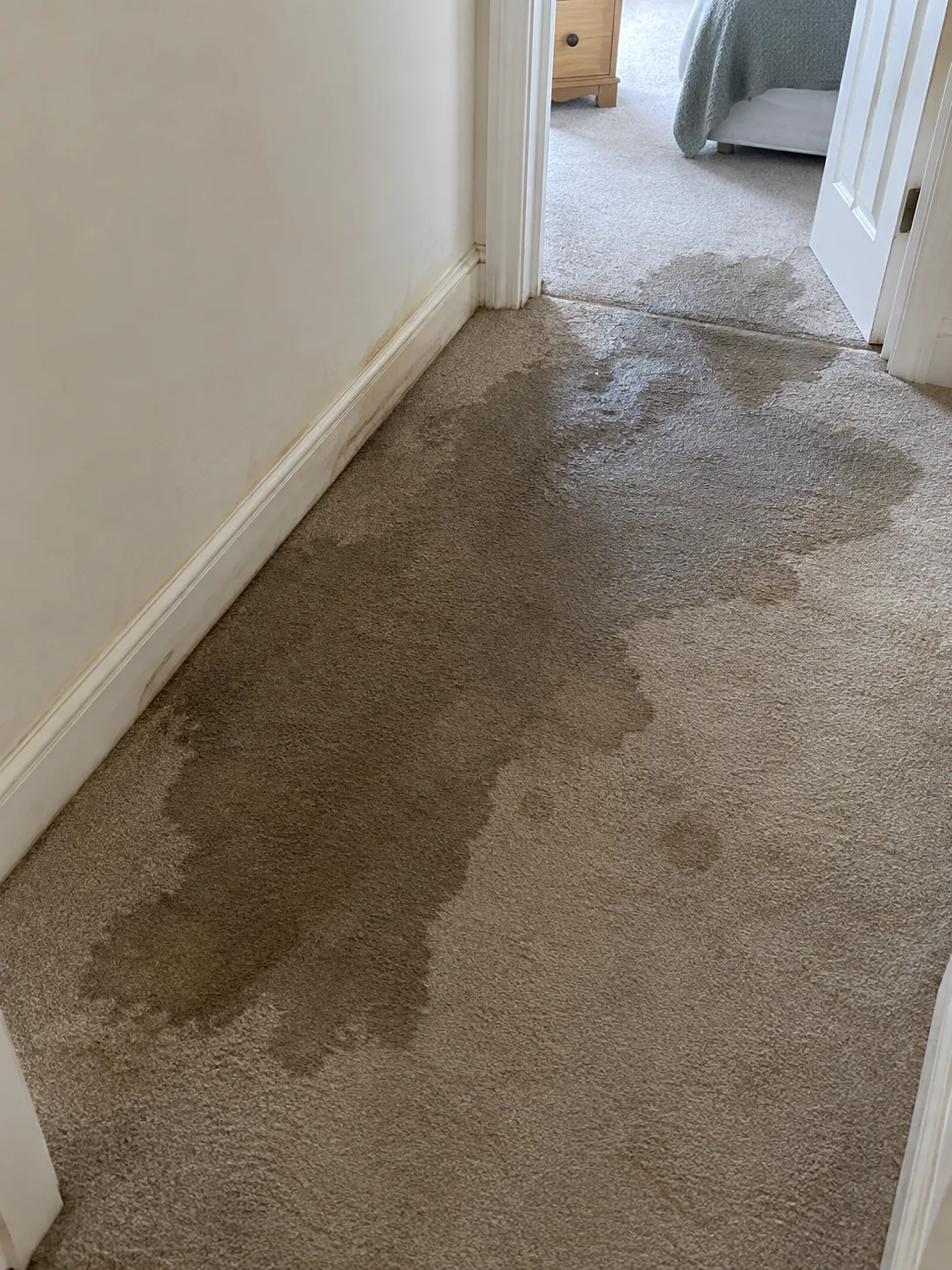
If you are dealing with water damage in Dallas, Texas, the first priority is controlling the water source and getting the structure dry before moisture spreads into framing, drywall, and flooring. Water can move under tile, into carpet pad, and behind cabinets where it is hard to see. That is why a proper restoration job starts with inspection and moisture mapping, not guesswork.
Water Damage Dallas helps homeowners, property managers, and businesses stabilize the situation quickly. We focus on the steps that reduce secondary damage: water extraction, dehumidification, targeted removal of affected materials when needed, and clear documentation of what was wet, what was removed, and what was dried.
Dallas properties often mix slab-on-grade construction with pier-and-beam homes, and both behave differently after a leak or overflow. On a slab, moisture can stay trapped at the perimeter walls and under floating floors. In pier-and-beam, wet insulation and subflooring can hold moisture and odor in a crawlspace. We adjust the drying plan to the building, not the other way around.
If you want background on how our team approaches restoration work across the metro, Water Damage Restoration gives the big picture of what we do and how we handle different property types.
Complete restoration scope
Rapid removal of standing water using professional extraction equipment, then setup of air movement and dehumidification to start drying immediately.
Cleanup and drying for supply line leaks, water heater failures, appliance lines, tub and sink overflows, and toilet backups with the right safety precautions.
Moisture readings in drywall, baseboards, framing, and subfloors with a drying plan built around temperature, humidity, and material type.
Careful removal of wet drywall, insulation, flooring, or cabinetry components when they cannot be dried in place, followed by containment and safe disposal.
Applied only where appropriate for the water category and impacted materials, with attention to HVAC returns and hidden cavities that can hold odor.
Photos, drying logs, and notes on affected areas so you have a clear file for a claim, a landlord, or future buyers.
A building-specific drying plan
A good restoration plan matches the water type, where it traveled, and what materials were affected.
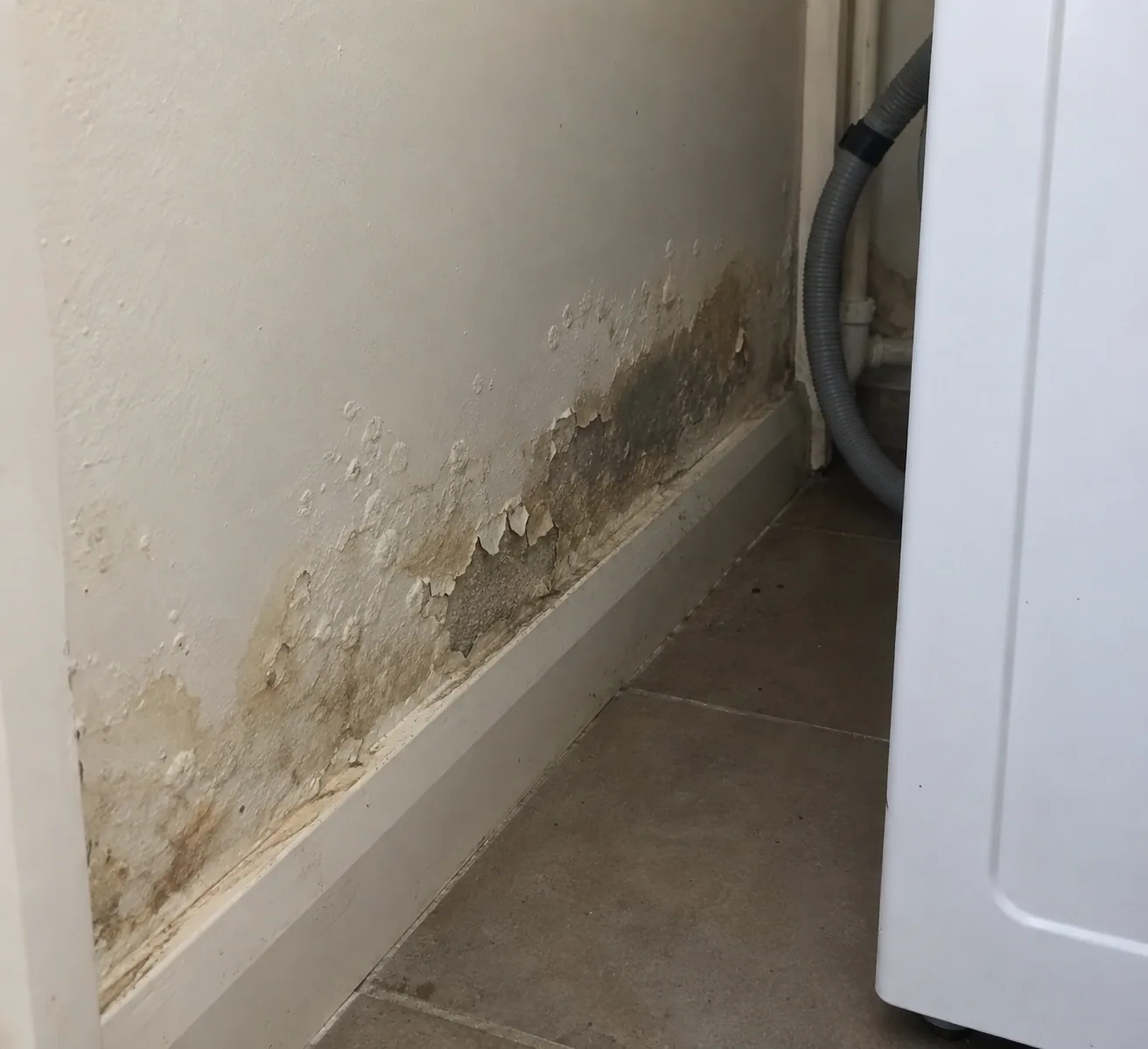
We start by identifying the source and making sure it is stopped or isolated. Next comes a detailed inspection with moisture meters—and thermal imaging when it helps—to map wet areas beyond what you can see. This matters in Dallas homes with finished-out garages, tight laundry closets, or adjacent rooms sharing a wall where moisture can wick.
Then we extract water and set drying equipment based on the space: air movers for evaporation, dehumidifiers to pull moisture from the air, and targeted drying for wall cavities or subfloors. We monitor readings and adjust the setup as conditions change.
Finally, once moisture levels return to a safe range, we help you plan the next steps. Some jobs stop at drying and cleanup. Others need material removal and rebuild. Either way, you get a written scope of what happened and what was done, so there is a clean handoff to repairs.
From triage through documentation
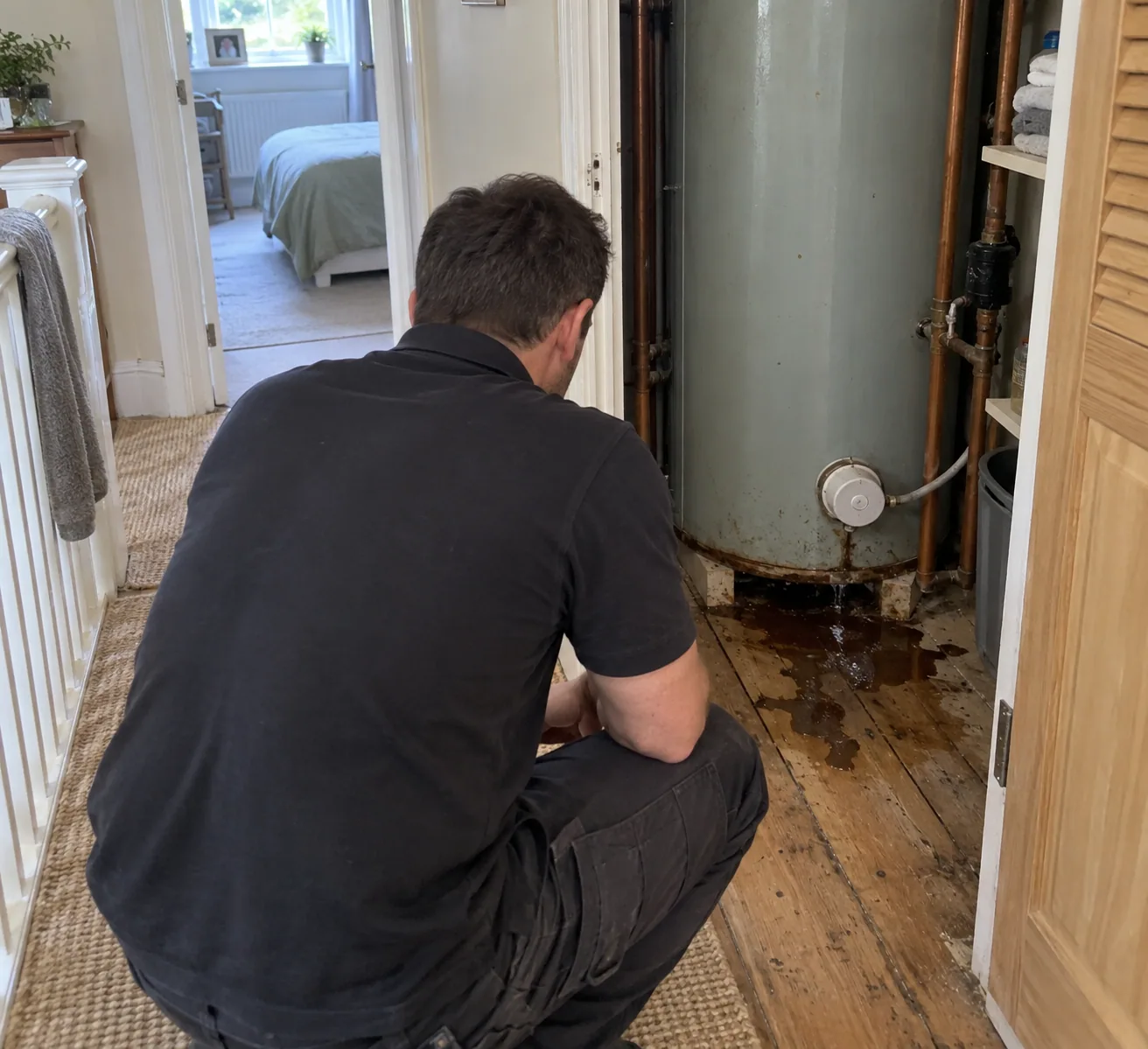
We look for electrical risks, slipping hazards, and the water source. If the water type is contaminated, we set containment and PPE requirements before work starts.
We document affected rooms and take moisture readings in walls, floors, and adjacent areas. This is where hidden spread is found under flooring, behind baseboards, or inside cabinets.
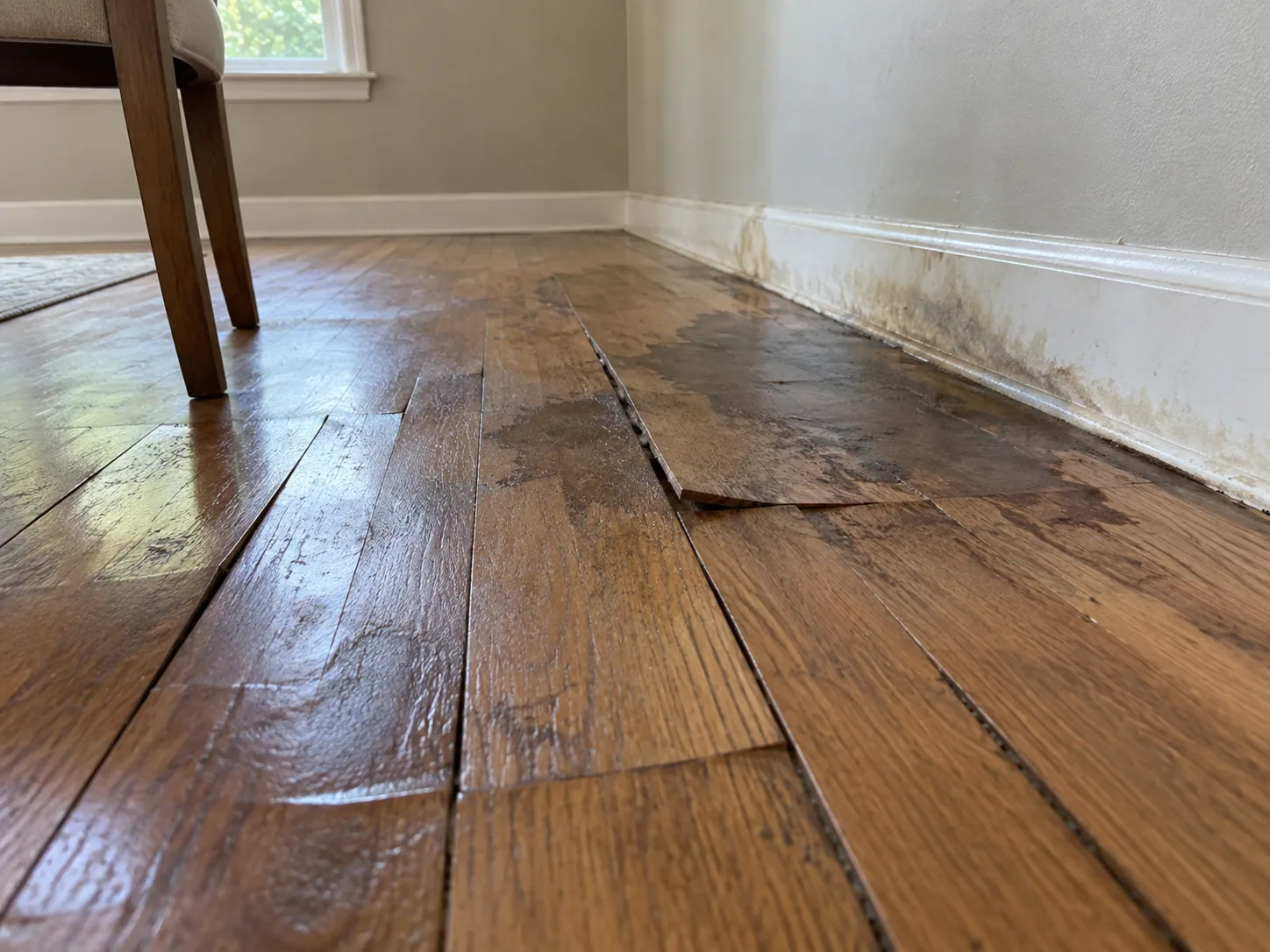
Standing water is removed first. If carpet pad, drywall, or insulation cannot be dried to an acceptable standard, we remove only what is necessary to dry the structure properly.
We place air movers and dehumidifiers based on cubic footage, temperature, and the materials involved. Drying is monitored with readings, and equipment is adjusted as the job progresses.
We clean affected surfaces, apply antimicrobial products when appropriate to the water category, and provide photos and drying notes for your records or claim.
Planning the restoration scope
Water damage restoration in Dallas typically ranges from $1,200 to $6,000+, with small, contained cleanups and drying on the low end and multi-room removals and rebuild coordination on the high end. A minor supply-line leak caught early may stay in the $1,200 to $2,500 range, while a saturated floor, multiple wet walls, or contaminated water can push costs higher.
Your final price depends on the size of the affected area, water category—clean, gray, or sewage—how long materials stayed wet, what must be removed, equipment days needed, and access such as upper floors, tight closets, and built-ins. Exact pricing is confirmed after an on-site inspection and moisture mapping.
Extraction, drying, and verification
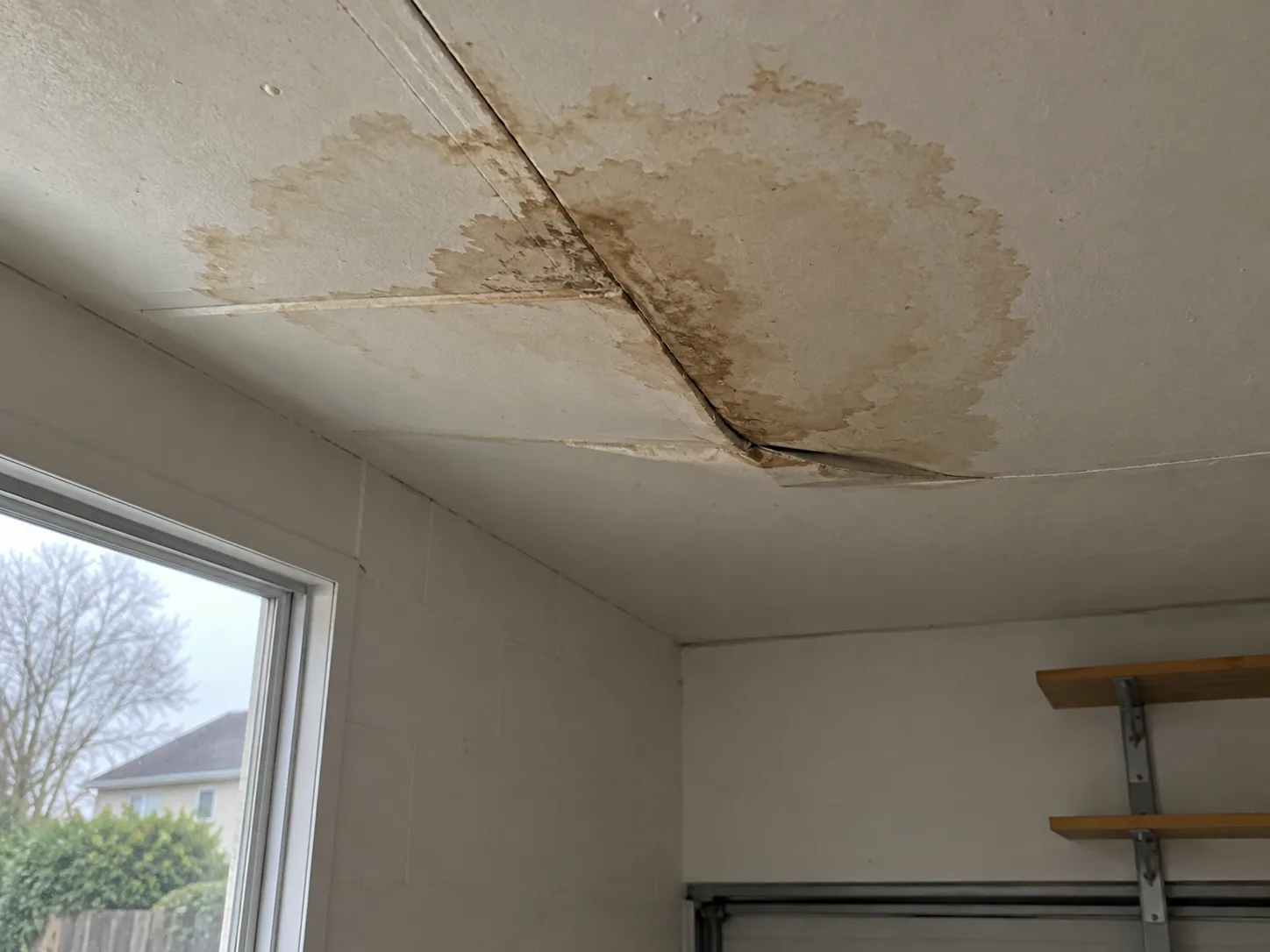
Answers before work begins
Response time depends on current demand and travel conditions, but we prioritize active leaks, flooding, and situations where water is still spreading. When you reach out, share the water source if known, how long it has been wet, and which rooms are affected so we can prepare the right extraction and drying equipment.
Some drywall can be dried in place if it is not heavily saturated, not contaminated, and the wet area is limited, but insulation often loses performance and can trap moisture and odor. We confirm with moisture readings and the water category, then recommend drying in place or selective removal based on what can be restored safely.
Stop the water at the source if it is safe, shut off electricity to wet areas if there is any risk, and move valuables and electronics out of the affected rooms. If you can do so safely, blot or extract small amounts of water and increase airflow, but avoid running HVAC if you suspect contaminated water or if return vents are pulling damp air into the system.
Many residential drying jobs take 3 to 5 days, but timelines vary with material type, how long water sat, temperature and humidity, and whether wall cavities or subfloors are involved. We track progress with moisture readings and adjust equipment so drying is verified, not assumed.
Yes. We provide photos, moisture readings, and a clear scope of what was affected and what was done, which helps support a claim. Coverage still depends on your policy and the cause of loss, so we focus on accurate documentation and a defensible drying plan.
Yes. A toilet backup beyond the bowl is typically treated as contaminated water, which changes safety steps, containment, cleaning requirements, and what materials can be salvaged. We classify the situation on-site and follow appropriate protocols for removal, disinfection, and disposal.
We serve Dallas, including the 75201 area, and surrounding neighborhoods where homes and businesses commonly need fast water extraction and structural drying. If you are near Downtown, Uptown, Oak Lawn, Lakewood, or East Dallas, tell us what happened and we will confirm availability and the best next step for your location.
Start with an on-site assessment
Tell us what happened, when it started, and which rooms are affected. Water Damage Dallas will recommend the safest next step, schedule an on-site inspection, and provide a written scope for drying, cleanup, and any required removal.