Water removal and controlled drying
Extraction of standing water, followed by dehumidification and air movement. Drying is checked with moisture readings, not guesswork.
Serving Dallas, Texas & surrounding areas
24/7 Emergency Response
Water damage repair · Dallas, Texas
When water gets into drywall, flooring, or framing, time matters. Get rapid water removal, a clear damage assessment, and a repair plan that puts your property back together the right way.
Measured drying before repairs
If you are searching for water damage repair Dallas Texas, you likely have wet building materials, rising humidity indoors, and questions about what can be saved. Water Damage Dallas handles water damage repair for homes and businesses across Dallas, TX 75201, starting with stopping further spread and ending with the repairs that make the space usable again.
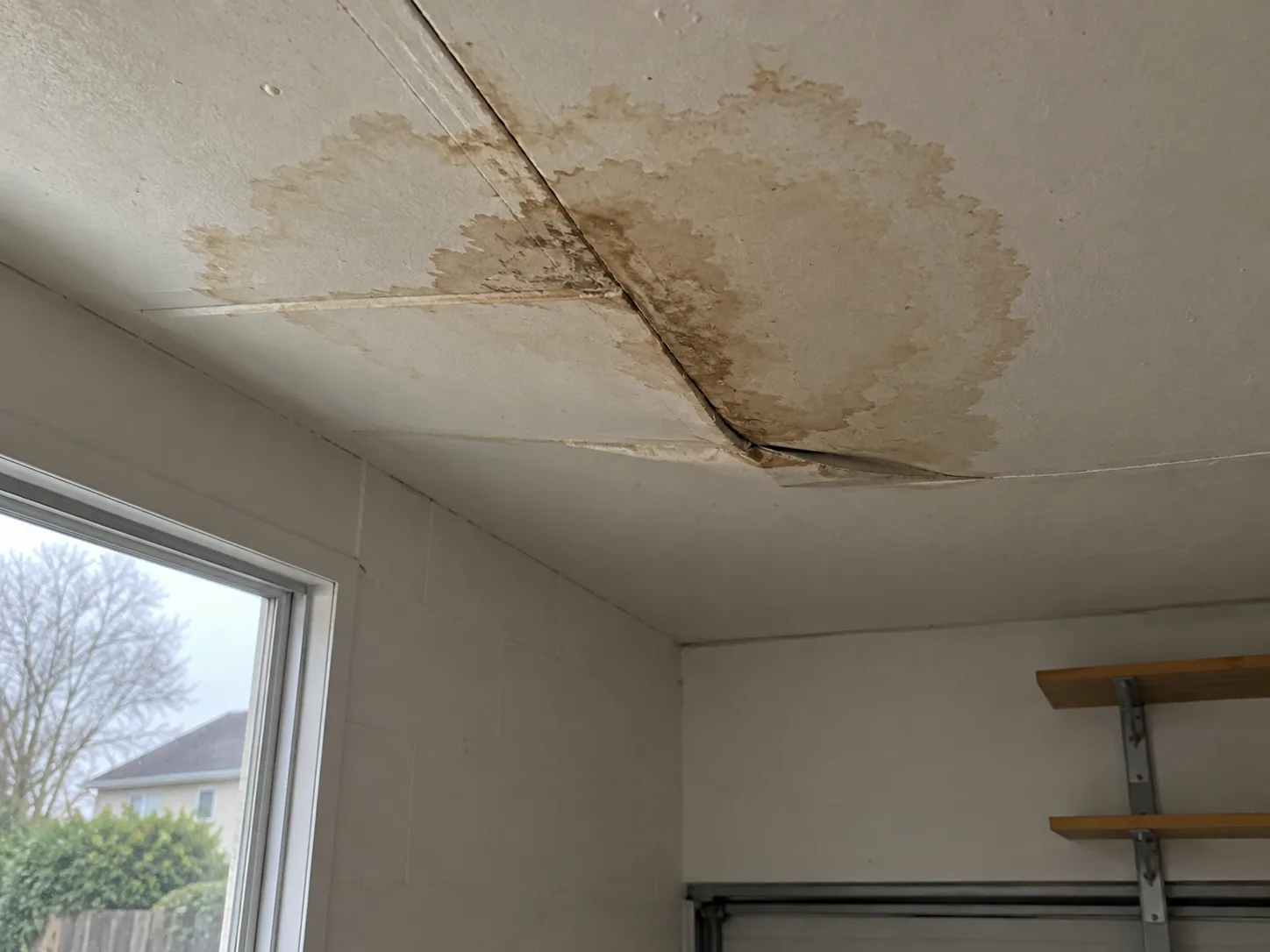
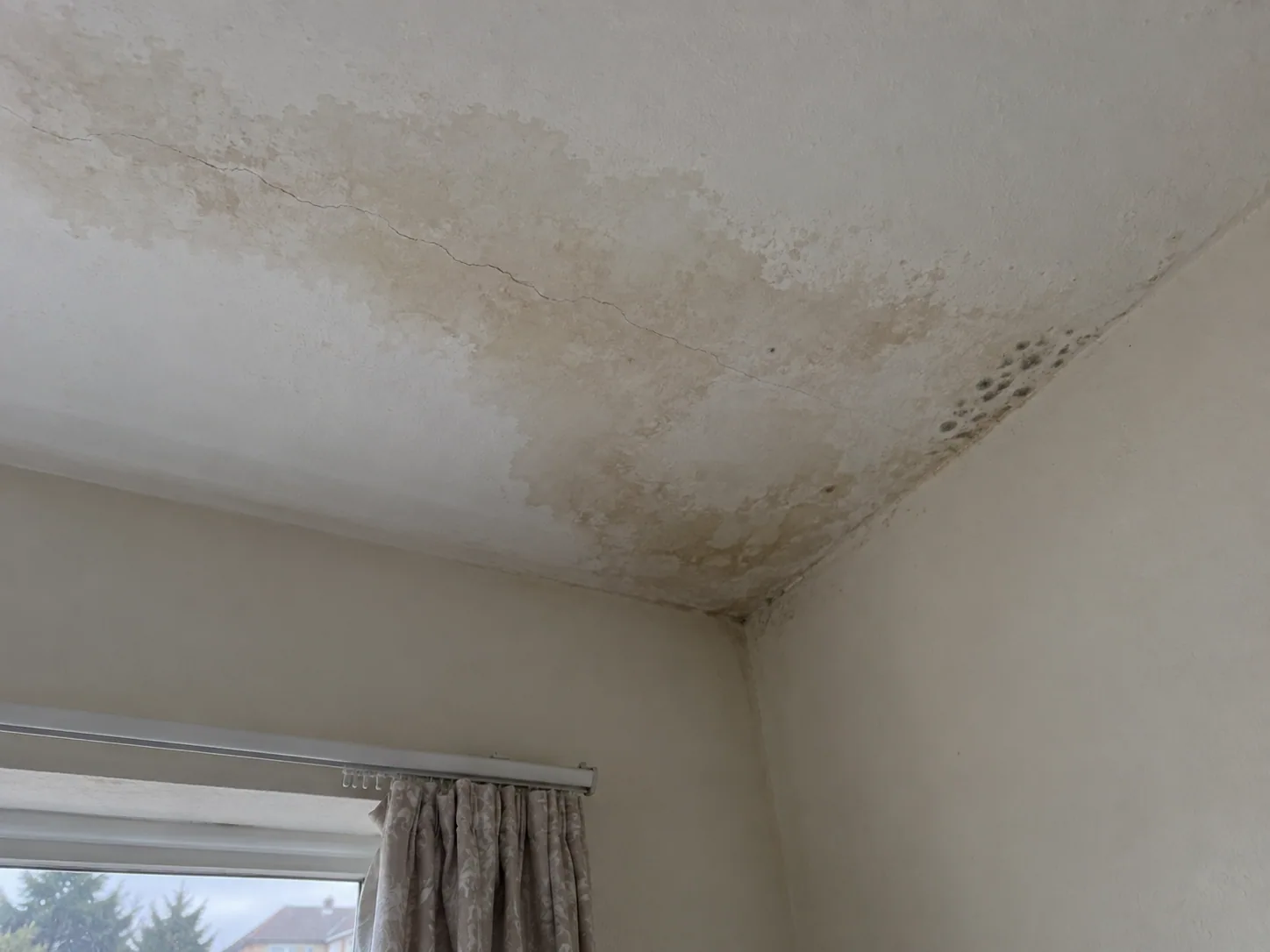
Water damage is rarely just a surface problem. Water moves through baseboards, under floating floors, into insulation, and along framing. The right approach is a measured one: remove water, control humidity, map moisture with meters, dry to known targets, then repair what is compromised. Skipping steps often shows up later as odor, swollen materials, cracked paint, or warped flooring.
Dallas has a mix of older pier-and-beam homes and newer slab foundations, plus plenty of multi-story condos and commercial suites. Each changes how water travels and how repairs are scoped. A leak above a ceiling in Uptown can affect multiple units or floors, while a garage water heater failure in Lake Highlands can soak wall cavities before it becomes obvious. We build the plan around the structure, affected materials, and how the space needs to be used next.
This is one part of our wider water damage restoration in Dallas service, covering homes and commercial property across the Dallas and North Texas area.
Extraction through rebuild
Extraction of standing water, followed by dehumidification and air movement. Drying is checked with moisture readings, not guesswork.
We locate where water actually traveled, including hidden areas, and document conditions so repairs match the true scope.
When materials cannot be dried safely, we remove only what is affected, such as baseboards, damaged drywall, or soaked insulation.
If water is from a drain backup or long-term leak, cleaning and antimicrobial steps are chosen based on what the water contacted.
Drywall repair, texture and paint matching, trim replacement, flooring repairs, and putting the space back into pre-loss condition where feasible.
Dry first, rebuild second
Good repairs start with good drying. Before we talk about finishes, we confirm what is wet and what is not, using tools like pin and pinless moisture meters and thermal imaging to guide inspection. From there, the plan stays simple and visible:
For high-rise units and dense commercial spaces common around Downtown Dallas, access, elevator rules, and after-hours work can affect sequencing. For single-family homes, we pay close attention to wall cavities and floor assemblies where water can sit out of sight.
First visit through final repairs
We identify the source area, measure what is wet, including adjacent rooms, and outline immediate steps to prevent further damage.
Standing water is removed first, then equipment is placed to control humidity and dry materials in a controlled way.
We re-check readings and adjust equipment placement as drying progresses. Materials that cannot be dried safely are flagged early.
If drywall, insulation, flooring underlayment, or trim must come out, we remove only affected sections and clean exposed surfaces as required by the water category.
We restore affected areas with repairs that match surrounding finishes as closely as possible, then complete a final walkthrough so you know what was done and why.
Planning the repair scope
Water damage repair in Dallas typically ranges from $900 to $6,000+, depending on how far the water traveled and what materials are affected. A small, contained issue with minor drywall and trim repair is often on the lower end, while multi-room drying plus flooring, cabinets, or ceiling work moves the project higher.
Final pricing depends on the water category, required drying days, access such as tight crawlspaces or multi-story units, and whether insulation, subfloor, or cabinetry must be removed and rebuilt. The exact scope is confirmed after the on-site inspection and moisture readings.
Finding the hidden wet path
Most water damage repair starts with one of a few scenarios, and the source often hints at the hidden damage to look for:
If you are also weighing a full restoration approach after a larger loss, water damage restoration typically includes the same drying fundamentals plus a broader rebuild scope when multiple areas of the property are involved.
Answers before repairs begin
You should start as soon as you can because wet drywall, insulation, and wood framing begin to degrade quickly and can trap moisture behind finished surfaces. The practical goal is to extract water immediately and begin controlled drying the same day when possible, then verify progress with moisture readings so repairs are based on what is actually dry.
Sometimes, yes, if the drywall is not structurally compromised and the moisture can be dried effectively with access to the affected cavity. If insulation is saturated, the drywall has wicked water high up, or readings stay elevated, selective removal is usually the safer choice so the cavity can be dried and cleaned properly before repairs.
Clean water from a supply line often allows more materials to be saved if drying starts quickly, while contaminated water from drain backups or water that sat for an extended time typically requires more removal and cleaning. The category affects what can be restored, what must be disposed of, and what cleaning steps are appropriate before rebuilding.
Yes. Condos and commercial suites often require tighter containment, careful equipment placement, and coordination for access, elevator use, and work hours. We plan drying and repairs to fit building rules while still meeting moisture targets, since hidden moisture can migrate to adjacent units and shared walls.
Drying often takes several days, then repairs depend on what needs to be rebuilt, such as drywall, paint, flooring, trim, or cabinets. A small, contained job may wrap up quickly once dry, while multi-room damage or specialty finish matching takes longer. The timeline becomes clearer after the first moisture map and drying plan are set.
Matching is usually achievable, but it depends on the existing wall texture, paint sheen, and how much sun fading has occurred. We plan repairs to make transitions as natural as possible, and when perfect matching is unlikely, which is common with older paint, we will tell you upfront what blending approach makes the most sense.
Start with a moisture assessment
Describe what happened and what areas are affected. We will schedule an inspection, document the moisture and materials involved, and lay out the next steps for water removal, drying, and repair.